
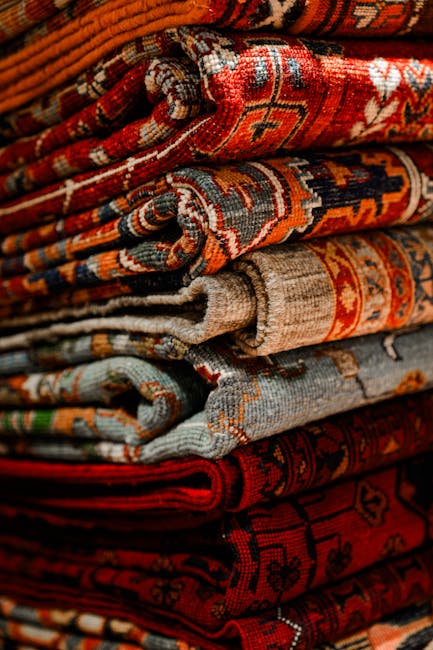
The modern interior design landscape is evolving at an unprecedented pace. Clients are no longer satisfied with minimalist, uniform spaces; they crave an immersive experience rich with warmth, texture, and visual intrigue. This shift has propelled a powerful design trend: layered rug solutions. As a B2B supplier, understanding and catering to this demand for wholesale layered rug solutions is not just an opportunity – it’s a necessity for staying ahead in a competitive market.
However, sourcing the diverse and high-quality rugs required for these multi-textured designs can be a significant hurdle. Navigating a sea of suppliers, ensuring consistent quality across different materials, and managing inventory for an ever-growing array of styles presents complex challenges.
This guide is your definitive resource for mastering wholesale layered rug solutions. We’ll demystify the B2B demand, expose the common sourcing pitfalls, and reveal how partnering with the right supplier can transform your business, making you the indispensable provider for interior designers seeking to create truly captivating spaces.
The B2B Demand for Layered Rug Solutions
The interior design industry is experiencing a significant pivot towards creating environments that are not only aesthetically pleasing but also deeply tactile and inviting. This is precisely where the art of rug layering comes into play, offering designers a sophisticated method to achieve these desired outcomes.
Understanding the Interior Designer’s Need for Texture
In today’s design vernacular, texture is king. Interior designers are actively seeking ways to introduce a tactile dimension that elevates a space beyond the purely visual. Clients are looking for homes and commercial spaces that feel as good as they look, evoking a sense of comfort, luxury, and personality. Rug layering provides an immediate and impactful solution. By combining different rug materials – from the plush softness of high-pile wool to the organic weave of natural jute or the subtle texture of a flat-weave kilim – designers can introduce a rich tapestry of touchable surfaces. This multi-sensory approach appeals directly to a client’s desire for a truly immersive and inviting environment.
Why Layering Rugs Creates Desired Warmth and Depth
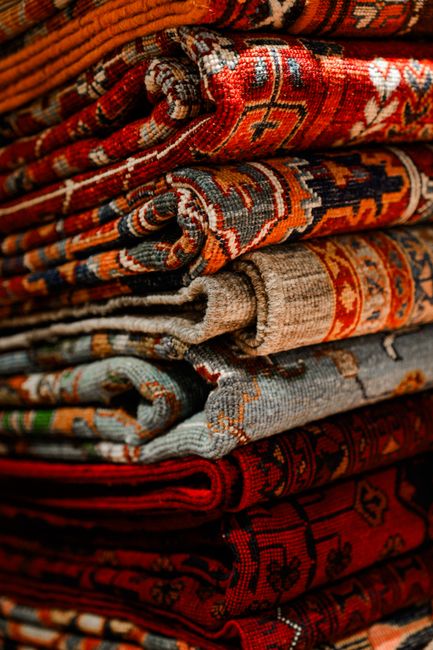
Beyond mere aesthetics, the strategic layering of rugs serves to imbue spaces with an unparalleled sense of warmth and depth. A single, large rug can anchor a room, but layering introduces subtle nuances that prevent a space from feeling flat or one-dimensional.
- Warmth: The combination of multiple rug materials naturally increases the perceived and actual warmth of a space. A base rug made of dense wool can provide a foundational layer of comfort, while a smaller, more intricate hand-knotted rug placed on top introduces a visual and tactile richness that draws the eye and invites relaxation. This is particularly crucial for high-traffic areas or living spaces designed for comfort and social gathering.
- Depth: Layering breaks up large expanses of flooring and creates visual zones, adding a sense of architectural interest and depth. A designer might place a large, neutral sisal rug as a foundation, then layer a smaller, patterned Persian rug or a textured Tibetan wool rug over it to define a seating area or add a focal point. This technique adds complexity and sophistication, making rooms feel more curated and thoughtfully designed. It allows designers to play with scale, pattern, and color in a way that a single rug often cannot achieve.
Market Trends: The Rise of Multi-Textured Interiors
The demand for layered rug solutions is not a fleeting fad; it’s a reflection of broader market trends in interior design. Statistics and industry reports consistently highlight the growing preference for interiors that emphasize natural materials, handcrafted elements, and a rich sensory experience.
- Biophilic Design: The increasing integration of nature into interior spaces, known as biophilic design, favors the use of natural fibers like wool, jute, and cotton. Layering these materials amplifies this connection, bringing the organic beauty of the outdoors in.
- Maximalism’s Reimagining: While pure maximalism can be overwhelming, a sophisticated interpretation is gaining traction. This involves layering textures, patterns, and colors to create a rich, eclectic, and personalized look, with rugs playing a central role in this narrative.
- Client Expectations: End consumers are increasingly influenced by aspirational design content and are actively seeking to replicate these layered, textural looks in their own homes. This translates directly into a demand for designers who can source and implement these solutions, and therefore, a demand for wholesalers who can provide the necessary materials.
To capitalize on this burgeoning market, B2B suppliers must be equipped to offer a diverse range of high-quality rugs that facilitate creative layering.
Looking for a diverse selection of premium rugs? Browse our wholesale catalog today.
Sourcing Multi-Textured Rugs: A Wholesale Challenge
The growing demand for layered rug solutions presents a significant opportunity for B2B suppliers. However, meeting this demand effectively requires navigating a complex landscape of sourcing, quality control, and inventory management. Without a strategic approach, these challenges can quickly erode profitability and damage client relationships.
Navigating Supplier Diversity
The world of rug manufacturing is vast and varied, encompassing numerous regions, techniques, and material specializations. For a wholesaler aiming to offer a comprehensive layered rug collection, this diversity can be a double-edged sword.
- Material Specialization: Some suppliers excel in hand-knotted wool rugs, known for their intricate patterns and exceptional durability. Others may specialize in natural fiber rugs like jute or seagrass, prized for their organic texture and affordability. Still others might focus on machine-made rugs that offer consistent patterns and quicker turnaround times. Effectively sourcing for layering means identifying and partnering with suppliers who can provide a spectrum of these distinct materials.
- Quality Discrepancies: It’s crucial to recognize that quality can vary dramatically even within the same material category. A “wool” rug can range from a short, dense pile made from fine merino wool to a looser, coarser weave from coarser grades. Similarly, “jute” can range from finely spun, smooth yarns to rough, uneven fibers. Your challenge lies in discerning and establishing relationships with suppliers who consistently deliver the quality that meets your B2B clients’ premium expectations. This often involves rigorous vetting and on-site inspections where possible.
Ensuring Quality Across Multiple Textures
The cornerstone of successful layered rug solutions is consistent, high-quality product. When designers layer rugs, they are often juxtaposing different textures and materials. This means that the quality of each individual rug is paramount, and any variance can detract from the overall aesthetic and perceived value.
- Material Integrity: For example, when sourcing high-density wool rugs, you need to ensure the wool is ethically sourced, correctly processed (e.g., proper carding and spinning), and woven with a consistent knot count. A wool rug with shedding issues or uneven pile height will reflect poorly on your entire product line. Similarly, natural fiber rugs must be free from excessive discoloration, mold, or weak fibers that can break easily.
- Construction Standards: Beyond the material itself, the construction method plays a vital role. Hand-tufted rugs must have secure backing to prevent fiber loss. Flat-weave rugs should have tightly spun yarns and a well-finished edge to prevent unraveling. For wholesale, consistency in construction across batches is non-negotiable. A premium backing system, for instance, is crucial for longevity and preventing slippage, a feature that can be inconsistent across less reputable manufacturers.
- Color Fastness and Durability: Designers often place lighter, more delicate rugs over base layers. Ensuring that dyes are colorfast and resistant to fading from sunlight or cleaning is a critical quality control point. The durability of each rug, especially in high-traffic areas where layering is common, directly impacts client satisfaction and the number of returns you face.
Managing Inventory for Varied Styles
The inherent nature of layered rug design demands a diverse inventory. Interior designers need access to a wide array of sizes, shapes, colors, patterns, and textures to create unique combinations for each project. This presents a substantial inventory management challenge for wholesalers.
- SKU Proliferation: Offering a comprehensive range of layered rug options can lead to an explosion of Stock Keeping Units (SKUs). This includes variations in material (wool, jute, cotton, synthetic blends), construction (hand-knotted, hand-tufted, flat-weave, machine-made), size, color, and pattern.
- Stock Levels: Maintaining optimal stock levels for each SKU is a delicate balancing act. Overstocking can tie up significant capital and lead to warehousing costs, while understocking can result in missed sales opportunities and frustrated designers who can’t source the specific pieces they need for their projects.
- Obsolescence and Seasonality: While many rug designs have timeless appeal, certain patterns or color palettes might experience seasonal demand or fall out of fashion. Managing inventory to mitigate obsolescence, especially for more trend-driven items, is a continuous challenge.
To successfully navigate these sourcing complexities, wholesalers need a partner who understands the nuances of rug production and can consistently deliver premium quality across a broad spectrum of textures.

_Visual Pause: Comparison Table – Grade A vs. Grade B Textures_
| Feature | Grade A (Premium Wholesale) | Grade B (Standard Wholesale) | B2B Benefit |
|---|---|---|---|
| Wool Pile Density | High knot count, dense fibers, minimal “letting through” of backing. | Lower knot count, looser fibers, backing often visible. | Superior durability, richer appearance, higher perceived value. |
| Natural Fiber Weave | Even, consistent weave; smooth, refined fibers (e.g., fine jute, premium sisal). | Uneven weave, visible irregularities; coarser, more brittle fibers. | Enhanced tactile appeal, fewer snags/breaks, greater client satisfaction. |
| Dye Quality | Deep, vibrant colors; excellent colorfastness; uniform shade across the rug. | Muted or uneven colors; prone to fading; batch-to-batch color variation. | Consistent aesthetic, reduced client complaints, brand reputation safeguard. |
| Backing System | Industrial-grade, tightly woven backing; secure stitching; minimal fiber shedding. | Looser weave backing; potential for delamination; noticeable fiber shedding. | Enhanced longevity, reduced risk of damage, fewer returns/claims. |
| Overall Finish | Clean edges, precisely trimmed pile, absence of loose threads or imperfections. | Uneven edges, visible fraying, loose threads. | Premium presentation, immediate positive impression, brand confidence. |
Ready to elevate your product line? Contact our wholesale team today for bulk pricing.
Why Choose Our Premium Layered Rug Solutions
In the intricate world of wholesale sourcing, particularly for the demanding interior design sector, differentiating yourself means offering more than just products. It means offering solutions characterized by superior quality, unmatched design potential, and unwavering reliability. Our layered rug collections are meticulously crafted to meet and exceed these expectations, empowering your B2B clients to deliver exceptional projects and build lasting relationships.
Unrivaled Material Density for Durability
The foundation of any exceptional rug lies in its materials and construction. We prioritize sourcing and manufacturing rugs that boast unrivaled material density, a critical factor for both aesthetic appeal and commercial longevity.
- Superior Wool: Our hand-knotted wool rugs are crafted from premium, ethically sourced wool with a high knot count. This density creates a plush, resilient pile that not only feels luxurious underfoot but also withstands significant foot traffic without crushing or wearing thin. For your B2B clients, this translates directly to fewer customer returns due to wear and tear and the ability to confidently specify our rugs for high-use commercial spaces and residential projects alike.
- Robust Natural Fibers: Our collection of natural fiber rugs, such as organic jute, seagrass, and sisal, are woven using the finest, most durable fibers. We ensure an even, tight weave that minimizes snagging and breakage, a common issue with lower-quality natural fiber products. This focus on robust construction means your clients receive rugs that maintain their texture and integrity, contributing to a premium brand perception for their design services.
- B2B Benefit: By offering rugs with inherent durability, you reduce your risk of warranty claims and customer complaints, solidifying your reputation as a supplier of dependable, high-quality goods. This allows your clients to build their own reputation for excellence.
Authentic Textures for Superior Tactile Appeal
The essence of layered rug design is the interplay of textures. Our commitment is to provide rugs with authentic, rich tactile appeal that designers can confidently use to create dynamic and inviting spaces.
- Varied Piles and Weaves: We curate a comprehensive range of textures, from the deep, indulgent pile of our Tibetan wool rugs to the subtle, earthy weave of our hand-loomed cotton flat-weaves. We also offer the distinct, organic texture of undyed jute rugs, perfect for grounding more elaborate layers.
- Craftsmanship Focus: Our partnerships are with artisans and manufacturers who understand the nuances of fiber manipulation. This ensures that the texture is not merely superficial but is integral to the rug’s construction, offering a genuine sensory experience that clients can feel and appreciate.
- B2B Benefit: Supplying rugs with distinct and authentic textures empowers your interior designer clients to create truly unique design narratives. This capability allows them to differentiate their own services, leading to increased client satisfaction and word-of-mouth referrals that directly benefit your wholesale business.
Premium Backing for Enhanced Longevity
The unsung hero of any rug’s lifespan is its backing. We recognize that for layered rug solutions, where rugs might be placed on various flooring types or over other rugs, a premium backing system is non-negotiable.
- Industrial-Grade Construction: Our rugs are equipped with robust, industrial-grade backing designed for maximum stability and durability. This ensures that the rug lies flat, stays in place, and protects both the rug fibers and the underlying floor.
- Fiber Retention: A well-constructed backing is essential for preventing fiber shedding, a common issue with lower-quality rugs. Our backing systems are designed to securely hold fibers in place, contributing to the rug’s longevity and reducing the need for frequent cleaning or specialized maintenance.
- B2B Benefit: By specifying rugs with premium backing, you are providing a tangible increase in the product’s lifespan and performance. This translates into fewer product failures and returns for your business, while offering your clients peace of mind and a product that actively contributes to the safety and longevity of their design projects.
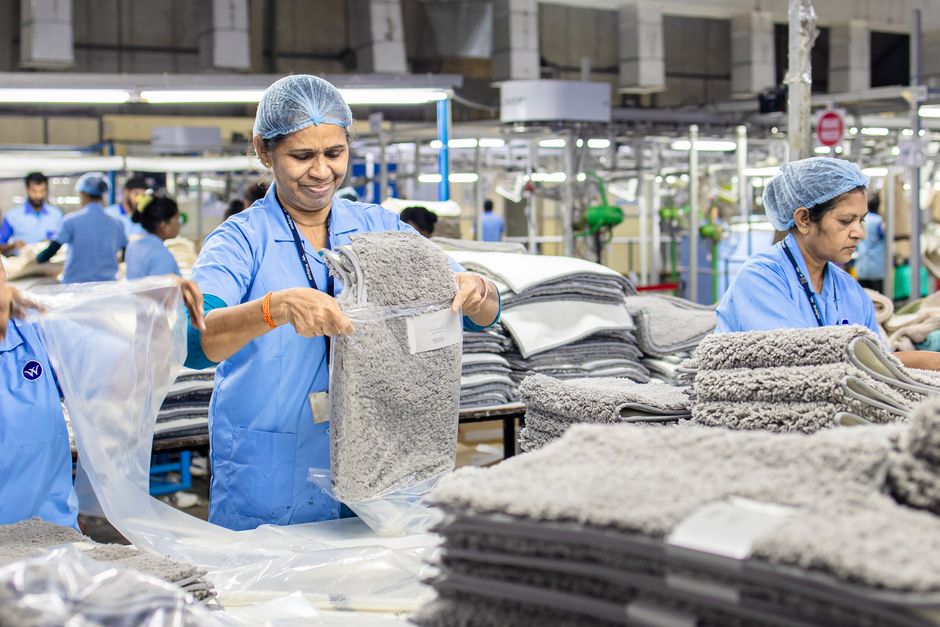
Design Versatility for Every Project
The ultimate goal of offering layered rug solutions is to provide designers with the tools they need to realize any creative vision. Our collection is curated for exceptional design versatility, ensuring that whether a project calls for subtle sophistication or bold statements, you have the perfect pieces.
- Diverse Palettes and Patterns: From timeless, neutral-toned wool rugs that serve as perfect base layers to vibrant, geometric-patterned kilims designed to be a statement piece, our range covers a vast spectrum of aesthetics.
- Multiple Materials and Textures: We offer a comprehensive selection of materials, including dense wool, rustic jute, soft cotton, and durable blends. This allows for the creation of intricate textural combinations that add depth and interest to any interior.
- Range of Sizes and Shapes: Understanding that layered designs often involve playing with scale, we provide a wide array of standard sizes, as well as options for custom sizing, to accommodate diverse spatial requirements.
- B2B Benefit: By offering such extensive design versatility, you position yourself as an indispensable, one-stop-shop for layered rug needs. This not only drives sales volume but also fosters stronger, more collaborative relationships with your interior designer clients, as they can rely on you for a broad range of their project requirements.
Our commitment to superior materials, authentic textures, premium construction, and design versatility means that when you choose our wholesale layered rug solutions, you are choosing a partner dedicated to your B2B success.
Discover the difference premium quality makes. Get wholesale pricing now.
Integrating Layered Rugs: Practical B2B Applications
For wholesalers, success in the layered rug market isn’t just about stocking the right products; it’s about understanding how to effectively market, sell, and support these solutions for your B2B interior designer clients. By providing practical applications and strategic guidance, you can solidify your position as an invaluable partner.
Case Studies: Successful Designer Collaborations
Demonstrating the tangible benefits of layered rug solutions through real-world examples or well-crafted hypothetical case studies is a powerful sales tool. These narratives illustrate how your products can solve design challenges and enhance client projects.
- The Modern Bohemian Residence: A designer needed to create a warm, inviting living space for a client who loved eclectic styles. They used a large, neutral chunky knit wool rug as a base layer. Over this, they placed a smaller, vintage-inspired Persian rug with intricate patterns and rich colors, defining the seating area and adding a focal point. A small, natural jute accent rug was placed beside an armchair to introduce a contrasting, organic texture. This combination achieved the desired warmth, depth, and bohemian flair.
- The Boutique Hotel Lobby: For a high-traffic hotel lobby, a designer sought to create a sense of luxury and defined zones. They opted for durable, low-pile industrial-grade wool rugs in a sophisticated charcoal hue as the primary flooring. To delineate the reception area and lounge spaces, they layered smaller, custom-sized patterned flat-weave rugs on top. The textural contrast and subtle patterns added visual interest without compromising on the need for extreme durability and ease of maintenance.
- B2B Benefit: These examples showcase how your diverse rug offerings can meet specific project needs, inspiring designers and building confidence in your product line’s adaptability and quality.

Best Practices for Promoting Multi-Textured Rugs to Designers
Effectively promoting layered rug solutions requires a targeted approach that highlights the benefits and ease of integration for designers.
- Educate on the “Why”: Go beyond simply showcasing products. Create content (blog posts, webinars, social media campaigns) that explains the design principles behind rug layering – how it adds warmth, depth, texture, and defines spaces. Emphasize how these elements address client demands.
- Curate “Layering Kits” or Inspiration Boards: Offer pre-selected combinations of rugs that work well together. This simplifies the selection process for designers and showcases your understanding of complementary textures and patterns. For instance, a “Coastal Calm” kit might feature a sisal base with a blue-toned cotton dhurrie on top.
- Highlight Material Benefits: Continuously emphasize the quality of your materials – the density of wool, the durability of jute, the softness of cotton. Connect these features directly to benefits like reduced returns, client satisfaction, and the ability to specify your rugs for premium projects.
- Provide Excellent Visuals: Invest in high-quality photography and videography that clearly illustrates the textures and patterns of your rugs, both individually and in layered arrangements. This is crucial for online B2B platforms and marketing materials.
- Offer Dedicated Support: Ensure your sales team is knowledgeable about rug layering and can offer expert advice and recommendations to designers.
- B2B Benefit: By actively promoting and educating on layered rug solutions, you position yourself as a thought leader and a valuable resource, fostering stronger partnerships and driving demand for your products.
Maximizing Profitability with Layered Rug Strategies
For wholesalers, layered rug solutions represent a significant opportunity to increase revenue and profitability. By strategically positioning and selling these products, you can capture a larger share of the interior design market.
- Higher Perceived Value: Layered rug designs inherently carry a higher perceived value than single-rug installations. This allows interior designers to command higher fees for their services, making them more willing to invest in premium wholesale products from you.
- Increased Order Volume: A designer working on a layered project will typically purchase multiple rugs, increasing the average order value and volume. By being their go-to source for all components, you secure a larger portion of their overall budget.
- Premium Pricing Opportunities: The quality and unique nature of well-crafted layered rug solutions justify premium wholesale pricing. Focusing on the superior materials, craftsmanship, and durability of your products allows you to maintain healthy profit margins.
- Bundling and Package Deals: Consider offering bundled packages for popular layering combinations, or tiered pricing structures that incentivize designers to purchase multiple rugs. This can drive volume and reward your most loyal clients.
- B2B Benefit: By understanding and facilitating the profitability of layered rug strategies for your clients, you create a symbiotic relationship where their success directly fuels your own growth and revenue.
Elevate your clients’ projects and boost your sales. Partner With Us for Exclusive Designer Programs.
Frequently Asked Questions About Wholesale Layered Rug Solutions
Where can I buy wholesale layered rug solutions for my interior design business?
You can find wholesale layered rug solutions from specialized B2B suppliers who curate diverse collections of rugs suitable for layering. Look for partners who offer a wide range of materials (wool, jute, cotton, etc.), textures, patterns, and sizes, and who can guarantee consistent quality and reliable inventory. Explore our premium layered rug collections to see how we cater to the specific needs of interior designers.
Are layered rug solutions worth the investment for interior designers?
Absolutely. Layered rug solutions allow interior designers to create richer, more complex, and highly personalized spaces that command higher perceived value. This trend addresses client demand for warmth, depth, and tactile interest, differentiating a designer’s work and leading to increased client satisfaction and referrals. The investment pays off in enhanced project aesthetics and client appeal.
What are the key benefits of offering wholesale layered rug solutions to interior designers?
Offering wholesale layered rug solutions provides significant B2B benefits, including higher average order values due to multiple rug purchases per project, the ability to command premium pricing due to the unique aesthetic and quality, and the opportunity to become a go-to, indispensable supplier for designers. It also positions your business as knowledgeable and responsive to current market trends.
How can I ensure the quality of different rug materials for layering?
Ensuring quality involves meticulous vetting of suppliers and rigorous quality control. For materials like wool, check for high knot density, fine fiber grade, and excellent colorfastness. For natural fibers like jute or sisal, examine the weave’s consistency, fiber strength, and absence of discoloration or brittleness. Always prioritize suppliers who can demonstrate consistent construction standards and provide detailed product specifications.
What makes your wholesale layered rug solutions stand out from standard offerings?
Our premium wholesale layered rug solutions are distinguished by unparalleled material density for superior durability, authentic textures for exceptional tactile appeal, and premium backing systems for enhanced longevity. We offer extensive design versatility, encompassing diverse palettes, patterns, and materials, all curated to empower interior designers to create truly unique and captivating spaces with confidence. Contact our wholesale team today for bulk pricing to experience the difference.