Decorative Trims for Throws and Cushions: Tassels, Fringe and Pom-Poms for Wholesale Buyers

Consider a common scenario: a buyer adds a twisted-cord fringe to a plain woven throw and watches the retail price lift by several dollars — on a trim that adds only a fraction of that to unit cost. Decorative trims are the cheapest perceived-value upgrade in home textiles, which is exactly why they deserve a […]
How to Build a Throw Blanket Assortment Plan: SKU Counts, Color Ratios and Margin Tiers for Retail Buyers
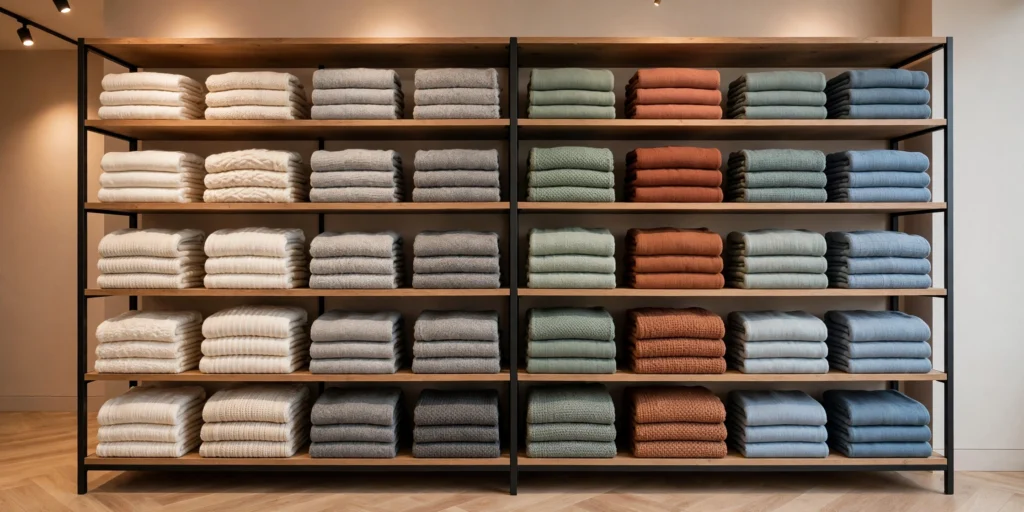
Consider a common scenario: a buyer walks into a trade show, falls in love with dozens of beautiful throws, and orders a little of everything. A season later, a handful are bestsellers, a middle block moves slowly, and several never sell a single unit. The product quality was never the problem — the assortment had […]
Weighted Blanket Buying Guide for Wholesale Buyers: Fill Types, Weight Tiers and Safety Labeling
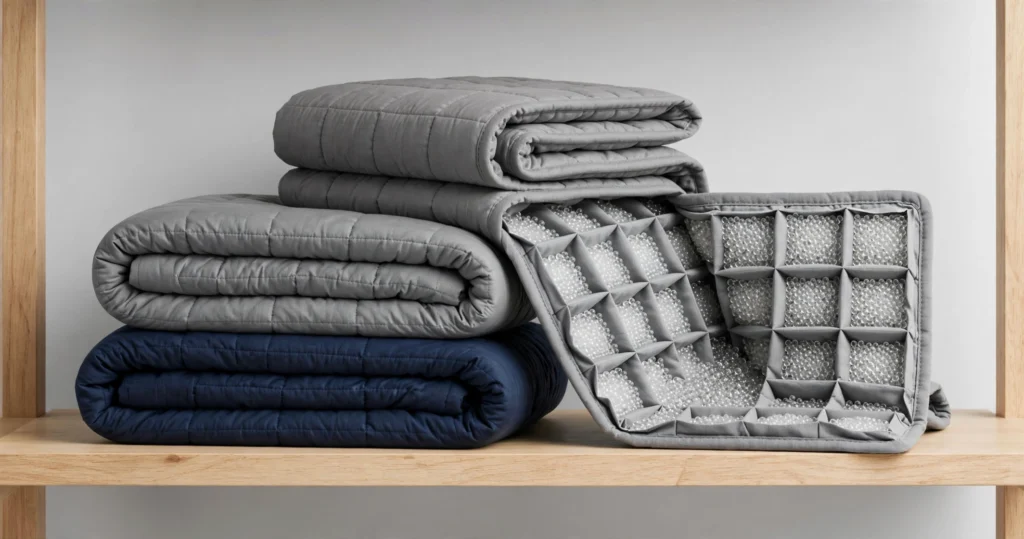
Consider a common scenario: a wholesale buyer launches a weighted blanket line and stocks the heaviest weight tier, on the theory that heavier reads as more premium. Months later the returns start — customers find the blankets unusable — and the children’s sizes pick up safety complaints on a retail listing. The construction was fine. […]
Gothic Home Decor Wholesale: A Buyer’s Guide to Styles, Materials and Seasonal Selling
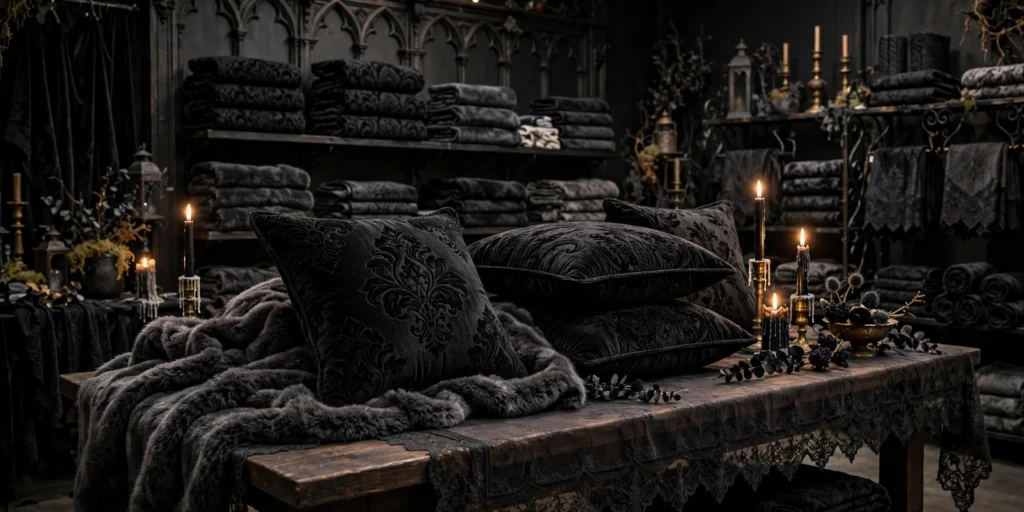
Consider a common scenario: a home decor distributor adds a gothic capsule for the Halloween season — black velvet cushions, skull-print throws, dark lace runners. The novelty pieces sell through in October; the plain black velvet covers keep reordering the following spring. The lesson lands quietly: the assortment was two products, not one — a […]
Christmas Tree Skirt Buying Guide for Retailers: Sizes, Materials and Seasonal Ordering

Consider a common scenario: a seasonal buyer adds tree skirts as a small line item on a holiday purchase order — the category is cheap, the construction is simple, and the ticket is low. Then the returns arrive: skirts that do not cover the tree stand, stated diameters that measured the trim instead of the […]
Rug Backing Types Compared: Suede, Jute and Non-Slip Backing for Wholesale Buyers
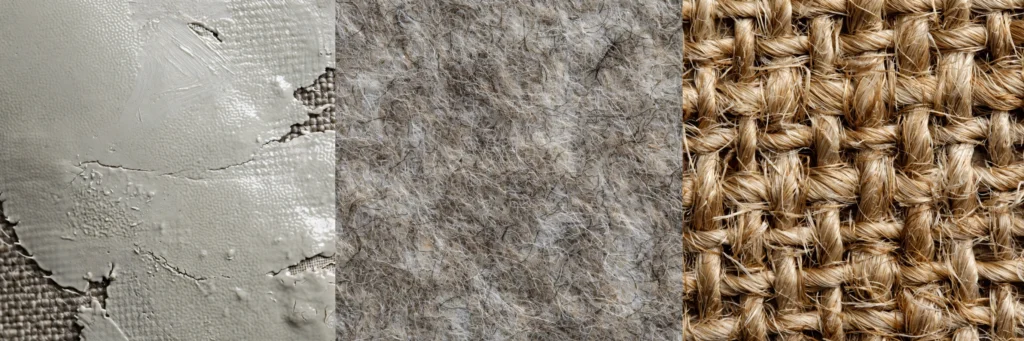
Consider a common scenario: a buyer specs the cheapest backing on a faux fur rug to trim the unit cost. The rugs look identical in the product photo — but the first hard-floor customers discover the difference when the rug migrates across the room. Backing is the spec customers never see and always feel. Backing […]
Throw Blanket Sizes Chart: Standard Dimensions Retailers Should Stock
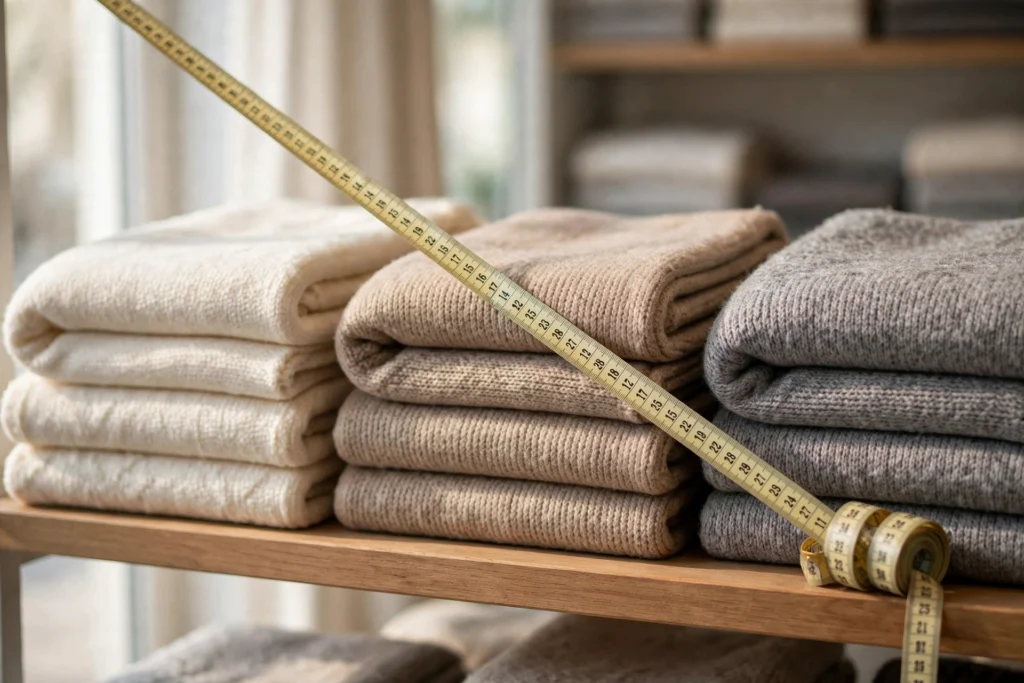
Consider a common scenario: a retail buyer switches throw suppliers, and the new “standard” cartons arrive visibly shorter than the old ones. Both factories cut to what their domestic customers call standard — and both are right. In home textiles, size is the one specification you cannot fix after the fabric is cut, so the […]
Faux Fur Rug Buying Guide for Retailers: Pile Weight, Backing and Sizes Explained

Consider a common scenario: a home-furnishings retailer orders a best-selling 160 x 230 cm faux fur rug line, then asks the supplier for “the same rug, smaller” for apartment listings. The smaller version arrives with the same pile — and looks flat and sparse, because the shorter pile the factory substituted to hit the price […]
Pet Blankets and Pet Beds: The Adjacent Category Home Textile Importers Are Adding

Consider a common scenario: a retail account that buys throws seasonally asks whether the same supplier can also cover the pet aisle — faux fur pet blankets and beds in matching fabrics. One importer treats it as “a different business” and leaves the door open. Another treats it as a line extension and quotes the […]
How to Source Wholesale Faux Fur Area Rugs: Specs, MOQ and Packing
Wholesale buyers sourcing faux fur area rugs need more than a photo and a target price. Shape, finished size, pile height, backing, color count, packing method and QC checkpoints all change sampling and the quotation. This guide turns a rug inquiry into a clearer buying brief for Cornovo Home and other manufacturers—without inventing fixed specs […]