Waffle Weave vs Chenille vs Knit: Throw Fabric Construction Guide for Wholesale Buyers
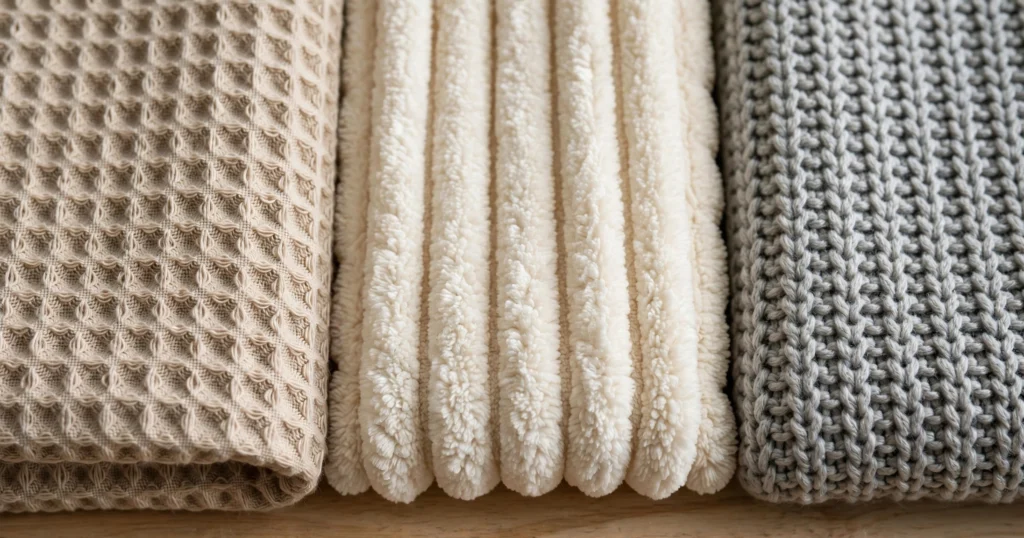
Consider a common scenario: a buyer approves a knit throw sample that photographs beautifully and books bulk for the autumn program. When the cartons arrive, pulled loops show along the folded edges on many pieces — a known knit failure mode that nobody had written into the spec, and the factory had done nothing unusual […]
Wool and Alpaca Throw Blends: A Wholesale Buyer’s Guide to Natural-Fiber Throws
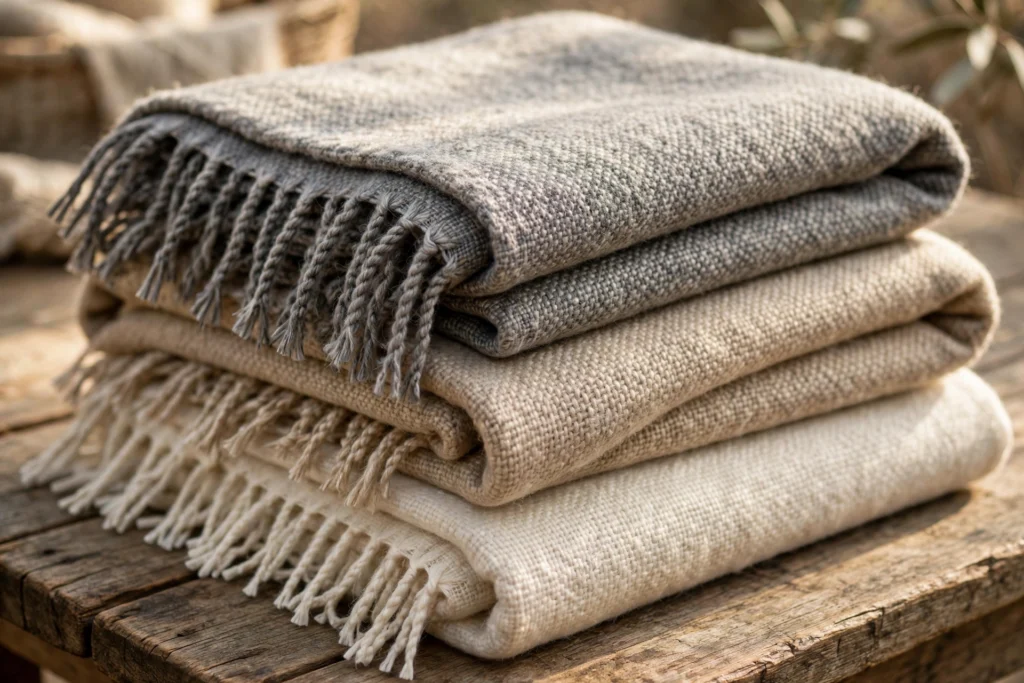
A wholesale buyer choosing a wool or alpaca throw blend should match the ratio band to the retail story — the 70–80% wool workhorse covers core premium programs, a 20–30% alpaca accent buys the soft-luxury claim at controlled cost — then verify fiber content by lab test and price against weight and finishing, not the […]
How Throw Blankets Are Made: Woven vs Knitted vs Printed Construction Explained
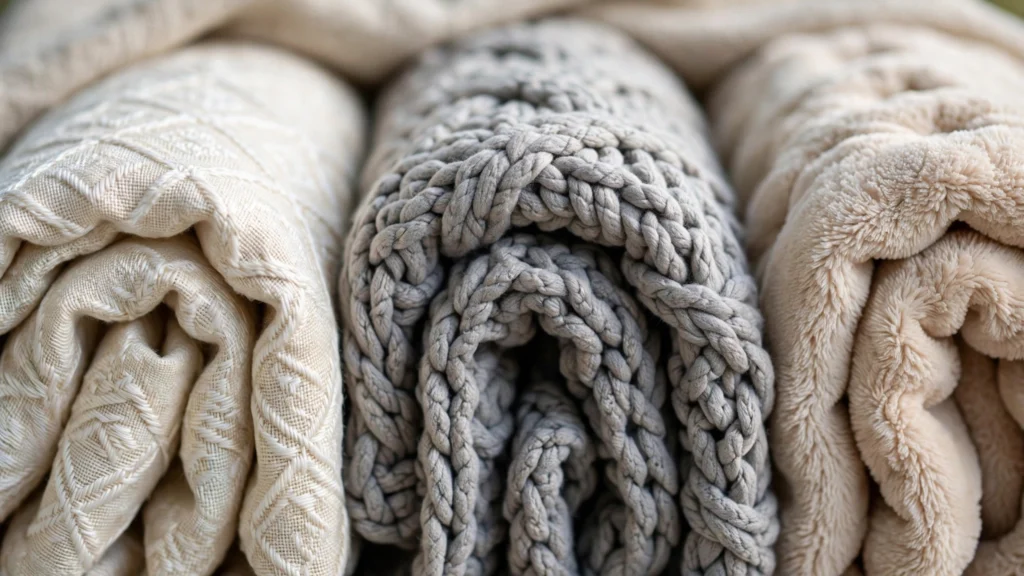
Consider a common scenario: a buyer approves a “premium woven throw” from photos — rich texture, visible weave. The bulk that arrives is printed: the weave pattern is ink on flat fabric, and it looks cheap next to the floor sample it replaced. The factory hadn’t lied, exactly. The purchase order just never specified the […]
Faux Fur vs Micro Mink vs Sherpa: A Pile-Fabric Comparison for Wholesale Buyers
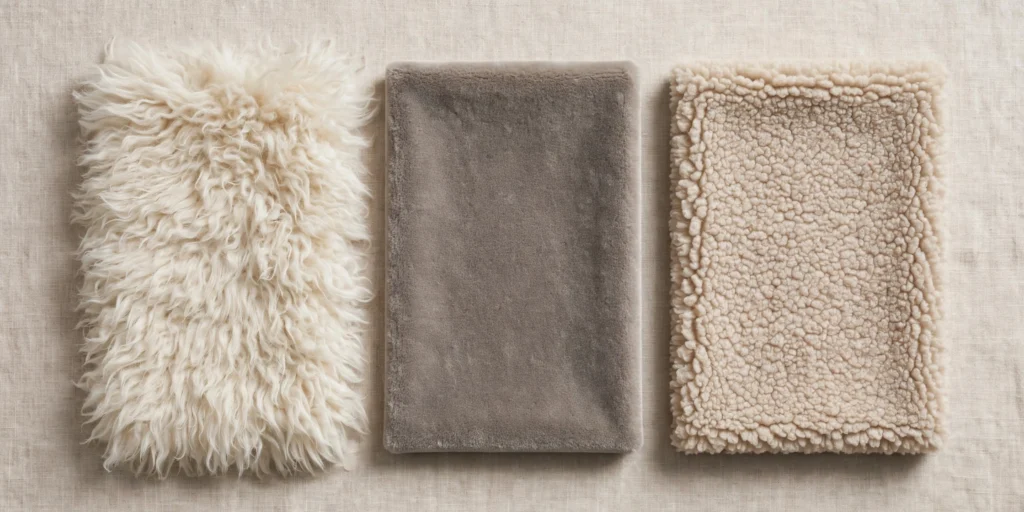
Consider a common scenario: a buyer requests “plush throw” samples and receives three completely different fabrics — a shaggy long-pile faux fur, a short velvety “mink,” and a two-sided sherpa. Every supplier calls theirs “plush.” The quotes cannot be compared because the fabrics are not comparable, and the program stalls while the buyer restarts the […]
Sheepskin Rug Skin Grades Explained: How Buyers Read a Pelt-Grade Spec
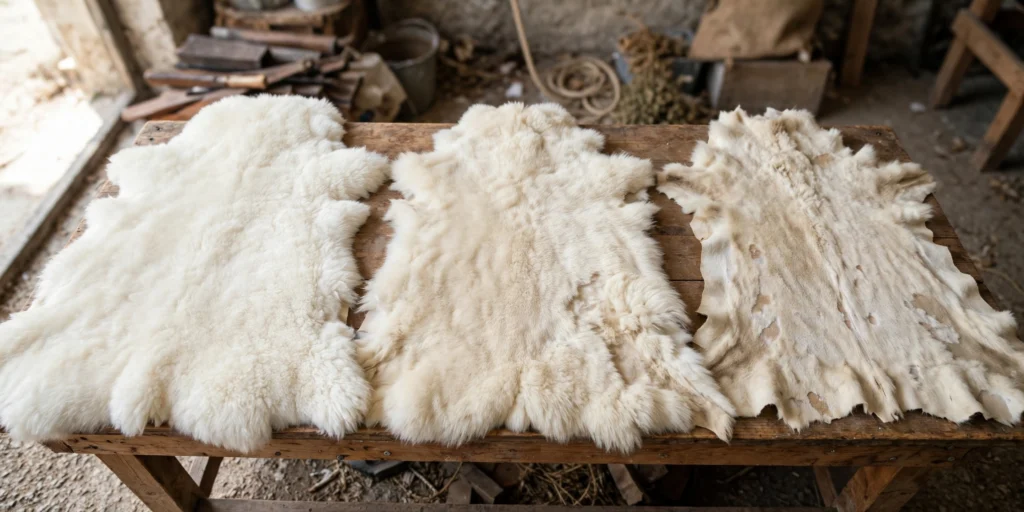
Consider a common scenario: a buyer orders “Grade A” single-pelt sheepskin rugs from a supplier she has used for years — thick, even wool, clean leather backs, strong retail sell-through. The next season she splits the order between that supplier and a cheaper new one, specifying the same grade on both. The new shipment arrives […]
Faux Fur Pile Density (GSM) Explained: What Wholesale Buyers Should Know
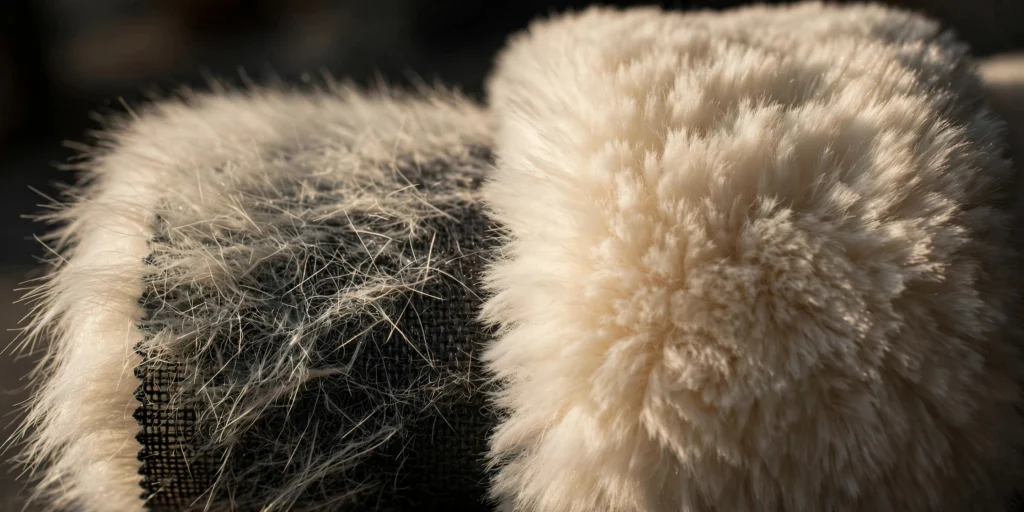
Consider a common scenario: two faux fur throws look identical in product photos but arrive with very different hand feel — and very different factory costs. The difference is usually pile density, quoted in GSM (grams per square meter). It is the most quoted and least understood number in wholesale faux fur buying, and a […]
2026 Home Textile Color Trends: What Wholesale Buyers Are Ordering
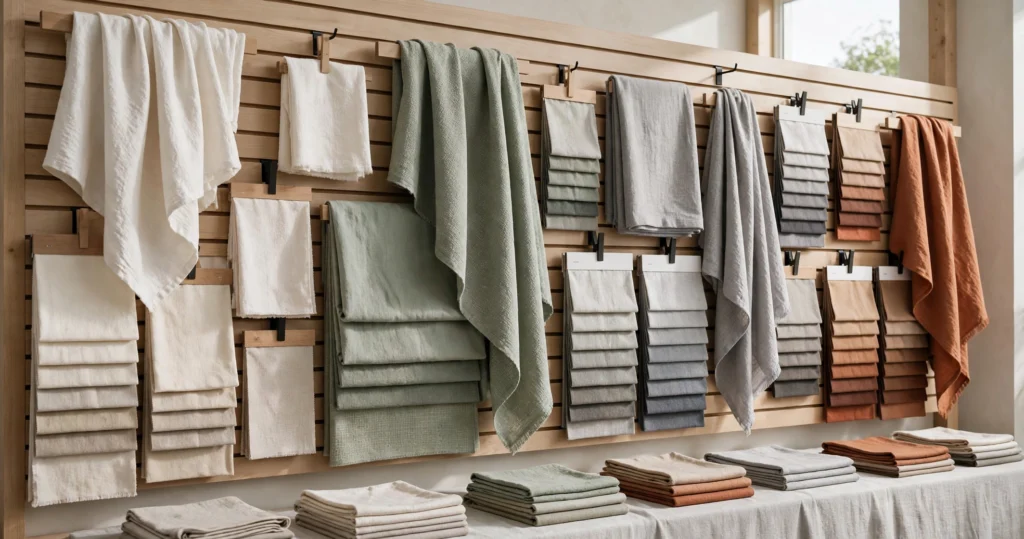
Consider a common scenario: a buyer commits a full 2026 bedding program to a single “color of the year” announced by a paint company. The color looked stunning in the trend report. On a duvet cover at retail, in customers’ bedrooms, it underperformed the beige it replaced. The trend was real; the application was wrong. […]
Faux Fur Care and Washing Guide Retailers Can Hand to Customers
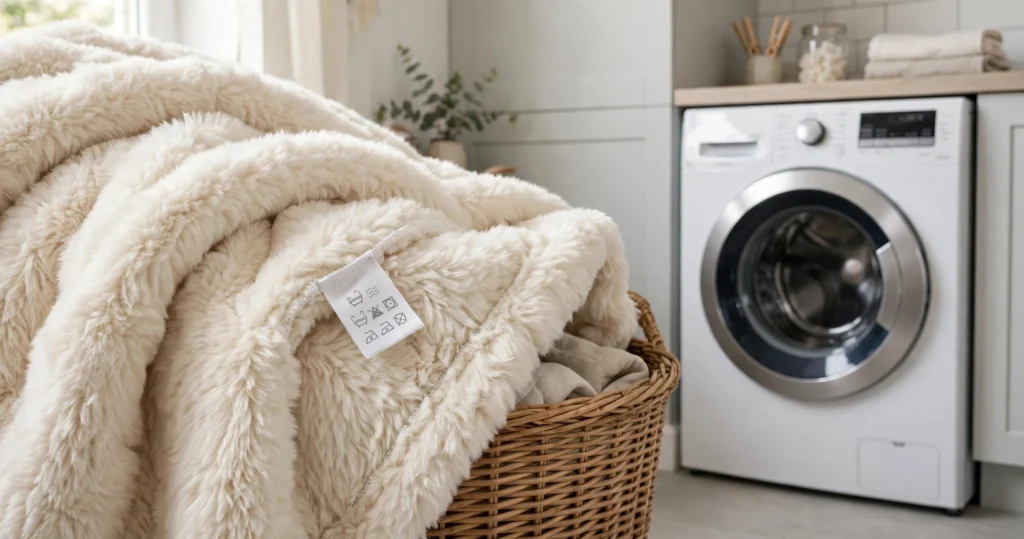
Consider a common scenario: a customer buys a beautiful faux fur throw, tosses it in the washer on hot with regular detergent, then runs the dryer on high. It comes out matted, stiff, and nothing like the piece she bought — and it comes back to the store as “defective.” The throw was not defective; […]
Velvet vs Faux Fur: 2026 Home Textile Trends for Buyers
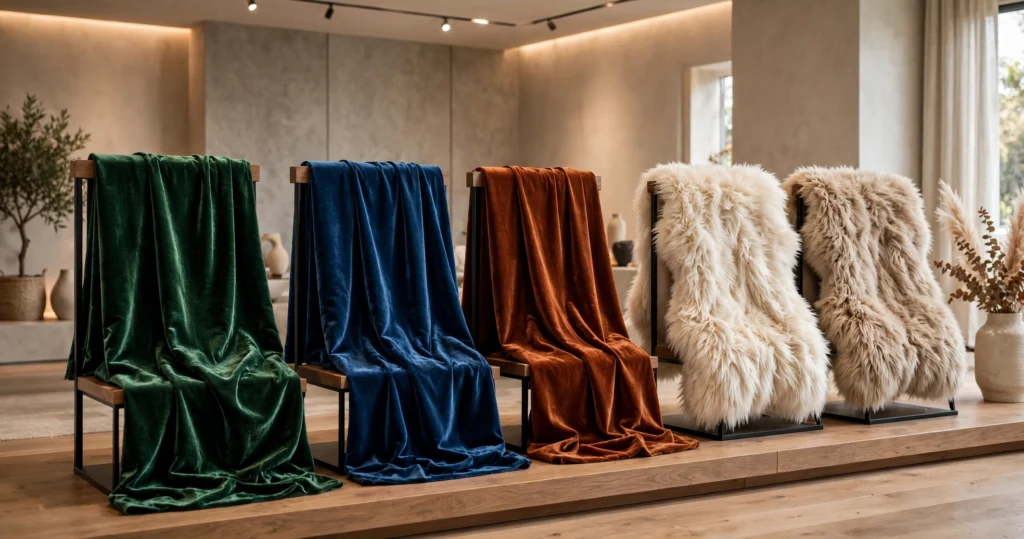
Consider a common scenario: a buyer loads up on velvet throws after a season when velvet looked like the winning fabric on every retail floor — only to watch the older faux fur line keep selling through while the velvet sits in the warehouse. The mistake was not picking the wrong fabric. It was treating […]