Flammability Regulations for Home Textiles: What Importers Must Test Before the Container Sails
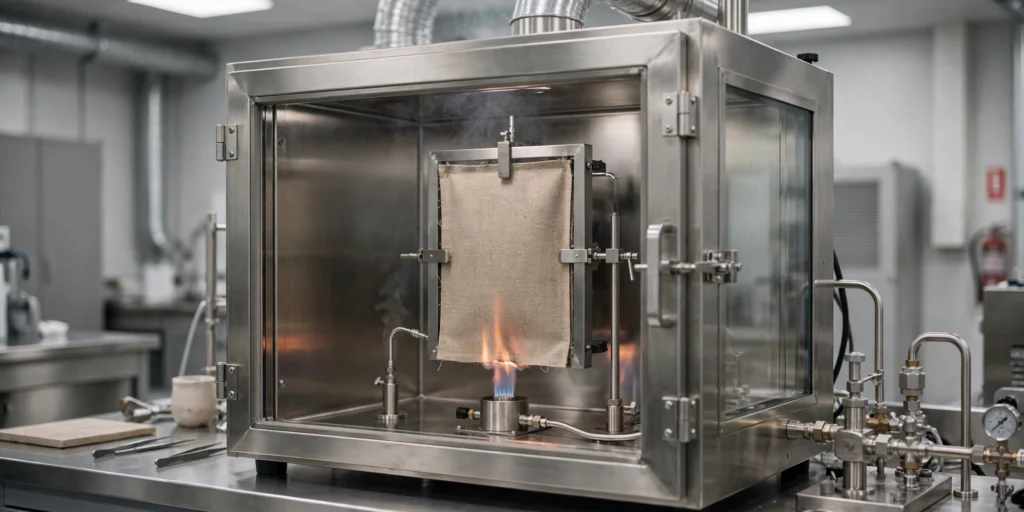
Consider a common scenario: an importer develops a fleece throw program, tests for pilling, colorfastness, and shrinkage — and never asks about flammability until the shipment is stopped at the port. The throw is soft, well-made, and on time — and unsellable under US apparel-flammability rules. Flammability is the compliance category importers discover last, usually […]
Faux Fur Throw QC Checklist: 20 Checkpoints Before You Release the Balance
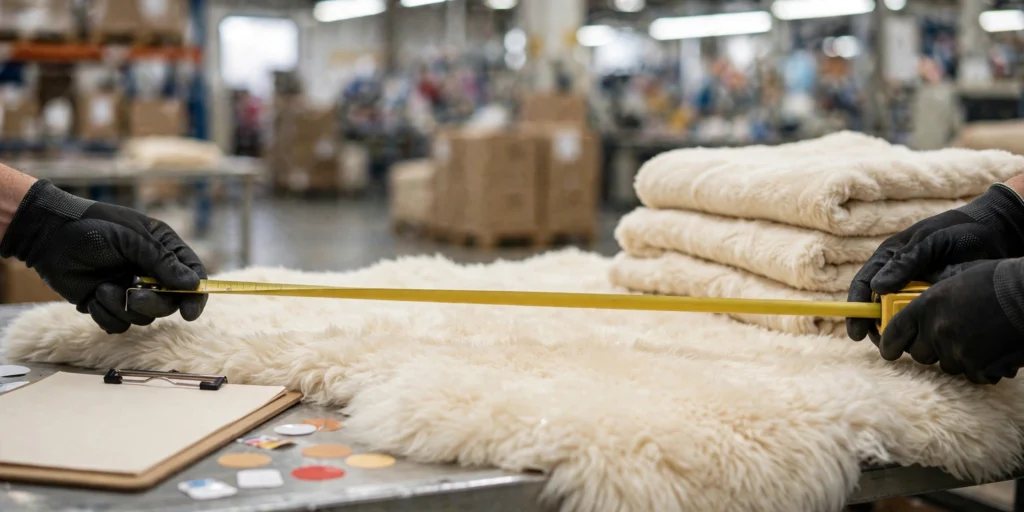
Consider a common scenario: the sample was perfect, the balance gets wired, and the problems show up at unpacking — one colorway’s pile crushed flat by over-compression, another cut short on width, cartons short-counted against the packing list. Every one of these defects was checkable at the factory, before the money moved. The balance payment […]
Textile Labeling Rules for Home Textile Importers: Care Labels, Fiber Content and Country of Origin
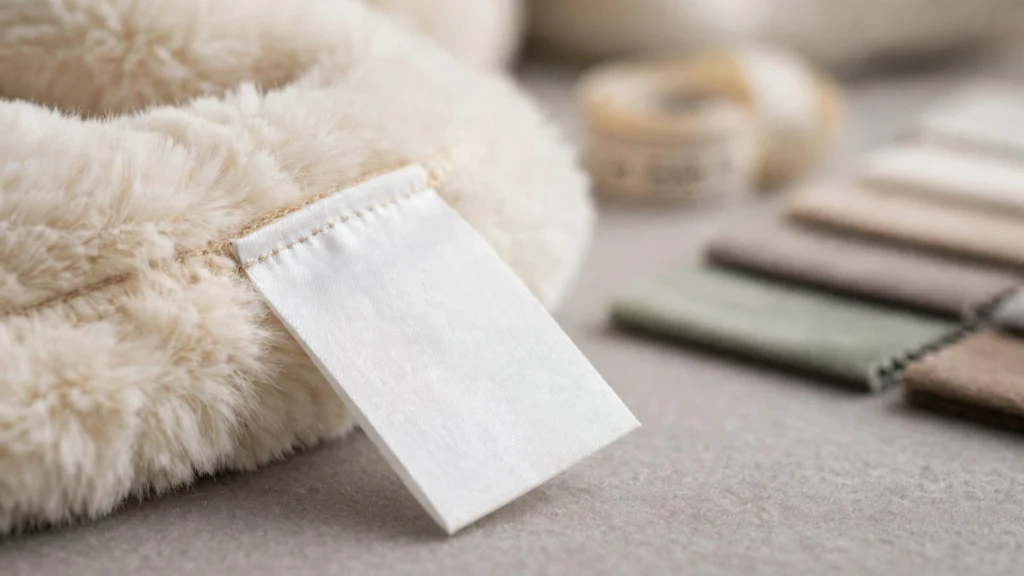
Consider a common scenario: a container of throws passes every quality check, then gets flagged at the border because the labels don’t match what lab testing shows. Re-labeling in a bonded warehouse, storage charges and a missed delivery window can erase the order’s margin — on a problem that was checkable before labels went to […]
How Importers Keep Color Consistent Across Reorders: Lab Dips, Shade Bands and Bulk Approval
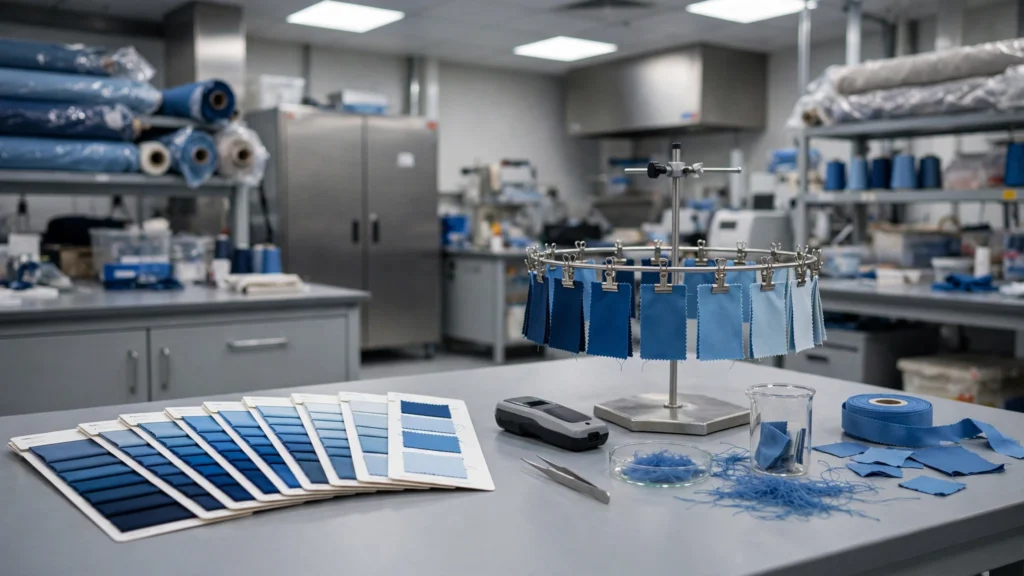
Color consistency across textile reorders comes from process, not luck: approve lab dips in writing against a Pantone TCX reference or physical swatch, judge everything under D65 standard lighting, define A/B/C shade bands before bulk dyeing, check top-of-production pieces, and seal a signed bulk standard. This guide walks through that process, step by step. Consider […]
How to Read a Textile Lab Test Report: Pilling, Colorfastness and Strength Grades for Buyers
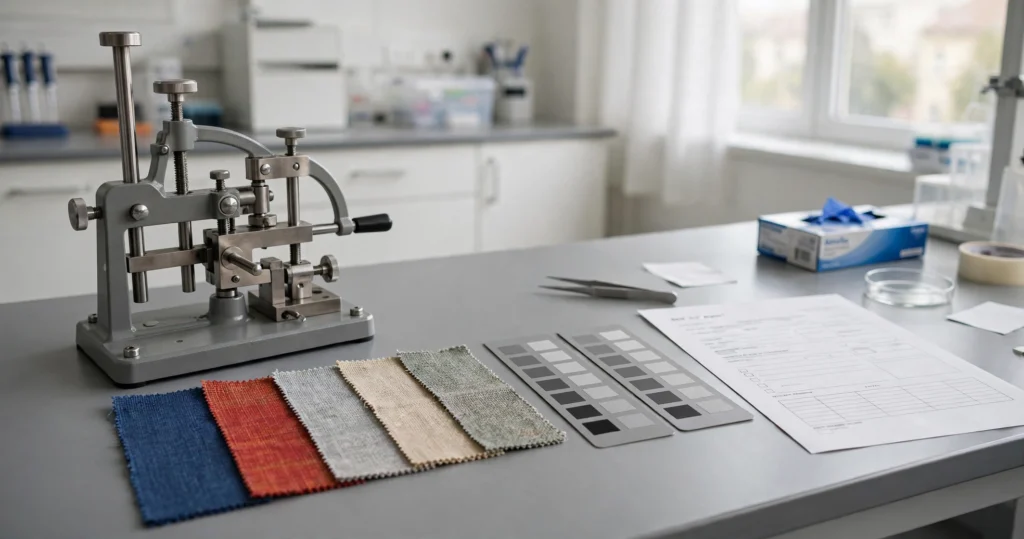
Consider a common scenario: an importer receives a textile lab test report from the factory, opens the PDF, and cannot tell whether the numbers on it are good or bad. The file gets saved, the shipment gets approved — and months later, customer reviews describe exactly the problem the report had quietly flagged. A textile […]
How to Handle Defect Claims on Home Textile Shipments: A Buyer’s Process Guide
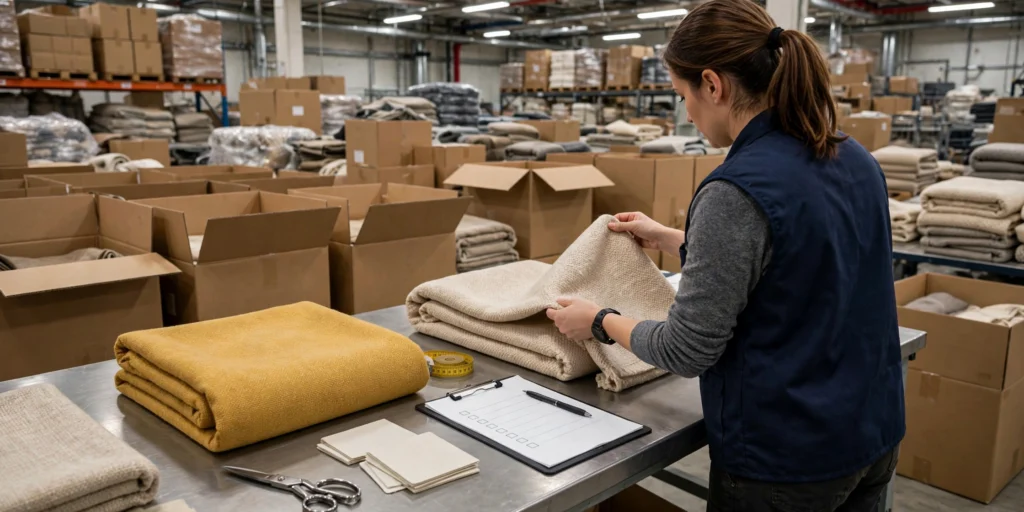
Consider a common scenario: a distributor opens a container of faux fur throws and finds a visible streak running through the pile across a meaningful share of the cartons. He calls the factory the same day — but the shipment arrived weeks earlier, and he has no photos, no count of affected pieces, and no […]
Faux Fur vs Real Fur: What Importers Need to Know About Materials and Labeling Laws
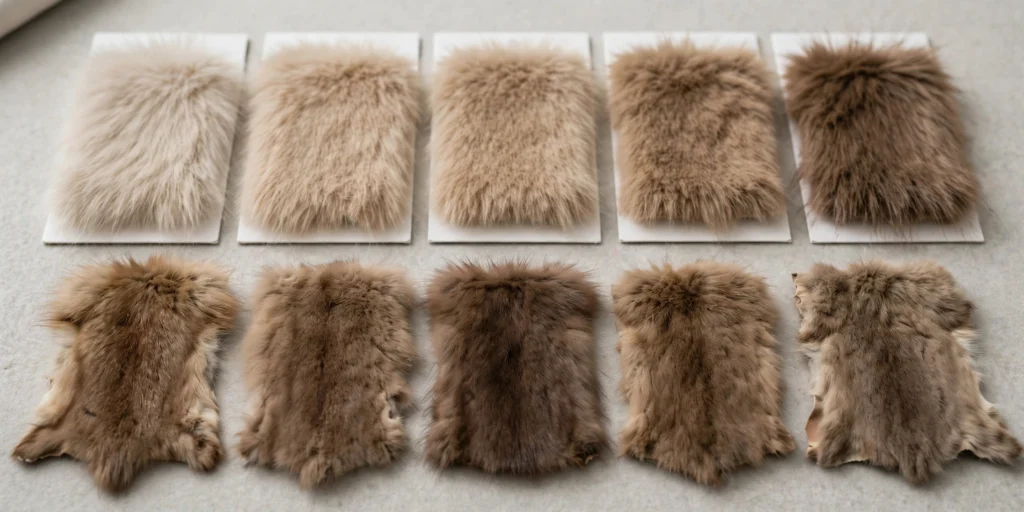
Consider a common scenario: an importer brings in a container of throws whose supplier described the pile as “rabbit-like” in its marketing sheet. Customs flags the shipment over the fiber declaration, the goods sit in a warehouse for weeks, and the relabeling and legal review end up costing more than the freight. The product was […]
OEKO-TEX and REACH Compliance for Textiles Sold in the EU

Consider a common scenario: a container of faux fur throws arrives at a European port. Customs pulls a box. The importer gets a letter: provide proof that the dyes and finishes meet EU chemical requirements. No certificate on file, no test report — and now the shipment sits while the importer scrambles. This happens more […]
Pre-Shipment Inspection Guide for Home Textiles: AQL Basics for Importers
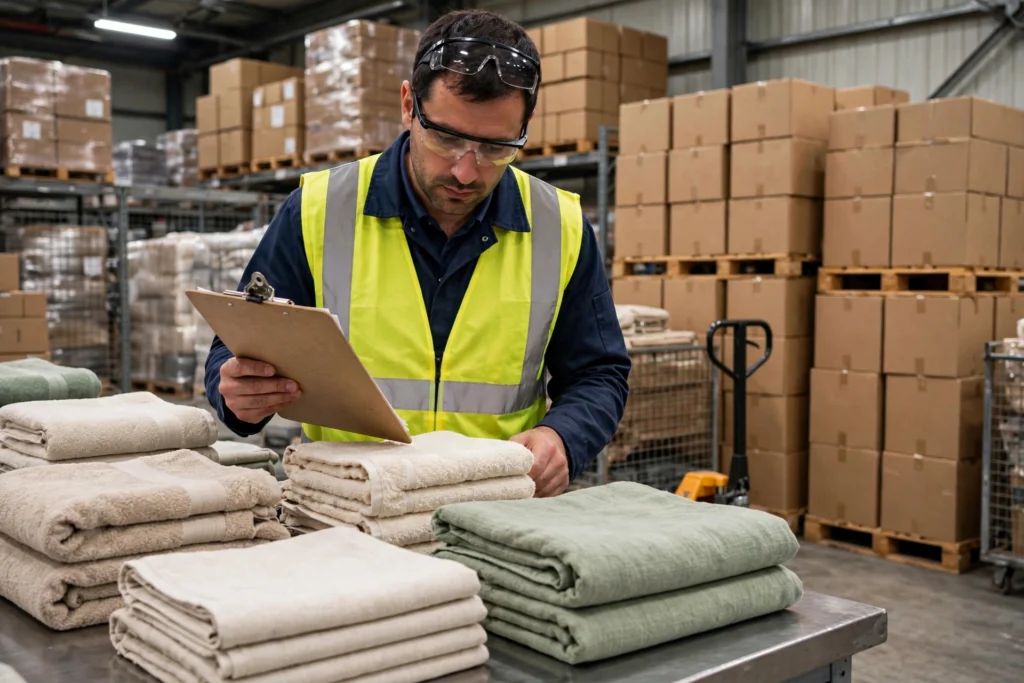
Consider a common scenario: a home-textiles distributor receives a large bedding-set shipment that passed the factory’s own “final check.” Within a month, retailers report mismatched pillowcase sizes — and one duvet-cover shade fades visibly after a single wash. The factory had compared cartons against each other. It had never checked them against the approved sample. […]
Wholesale Sample Approval Checklist for Rugs and Cushions
A practical approval record for materials, dimensions, appearance, construction and packing before a wholesale order.