
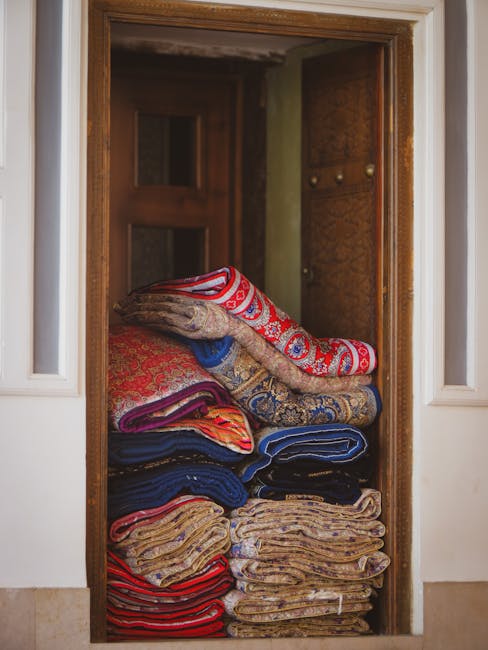
Are you tired of the endless search for wholesale home textiles that genuinely deliver on luxury, softness, and consistent quality? In today’s discerning market, consumers are no longer satisfied with superficial aesthetics. They crave tangible comfort, verifiable sustainability, and products that speak to understated elegance. This guide is your definitive roadmap to navigating the complex world of soft-touch luxury home textiles, ensuring you partner with suppliers who not only meet but exceed these elevated expectations, driving profitability and brand loyalty for your business in 2026 and beyond.
Thank you for reading this post, don't forget to subscribe!The Future of Wholesale Soft-Touch Luxury Home Textiles: Driven by Demand for Premium Comfort and Sustainability
The wholesale soft-touch luxury home textiles market is experiencing robust growth, fueled by increasing consumer desire for premium comfort and ethically sourced, high-quality products. Wholesalers must prioritize suppliers who offer innovative materials, superior craftsmanship, and resilient supply chains to capitalize on this expansion, with market projections indicating a significant rise.

Understanding the Rising Demand for Soft-Touch Luxury
The landscape of home decor is undergoing a significant transformation. Consumers are increasingly prioritizing spaces that offer sanctuary, comfort, and a sense of refined elegance. This shift is not merely a fleeting trend; it’s a fundamental evolution in how people perceive and interact with their living environments.
The ‘Quiet Luxury’ Movement in Home Decor
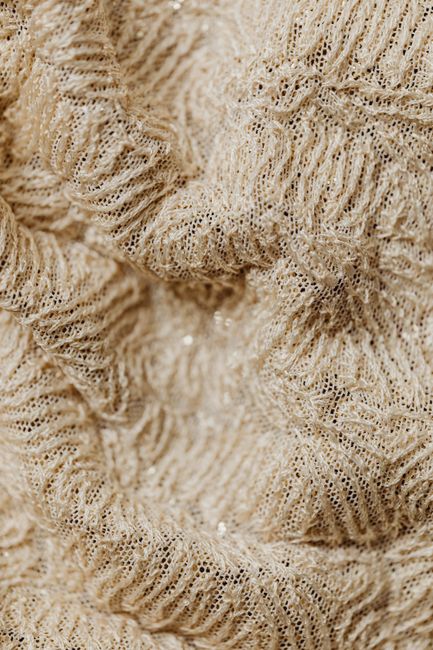
Forget ostentatious displays and flashy logos. The burgeoning “quiet luxury” movement in home decor champions understated elegance, impeccable quality, and a focus on tactile experiences. This translates to a demand for home textiles that exude sophistication through their superior materials, meticulous craftsmanship, and enduring design. For wholesalers, this means a heightened emphasis on products that feel as good as they look, built to last and designed to integrate seamlessly into serene, high-end living spaces. Think of the subtle sheen of pure silk, the dense weave of premium linen, or the cloud-like embrace of high-count Egyptian cotton. These are the elements that define quiet luxury.
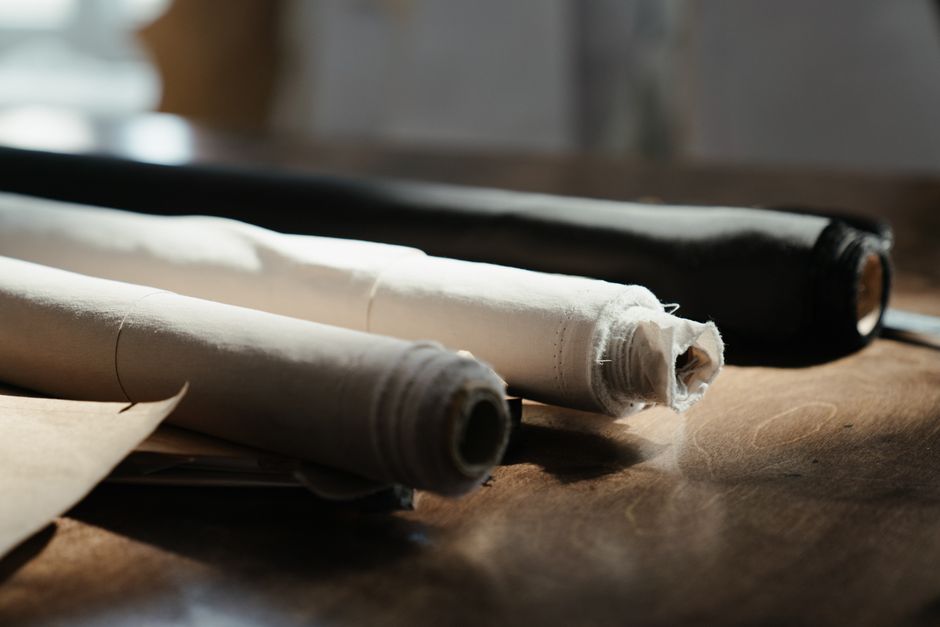
Market Growth Projections: A Lucrative Opportunity
The market for luxury home textiles is not just growing; it’s poised for substantial expansion. Projections indicate the market will surge from an estimated **USD 66.78 billion in 2026 to a projected USD 105.74 billion by 2026**. This upward trajectory presents a significant opportunity for wholesalers who can align their product offerings with this escalating consumer demand. Understanding these figures isn’t just about acknowledging growth; it’s about recognizing the immense potential to increase market share and profitability by specializing in this high-value category.
Consumer Expectations for Premium Comfort
At the heart of this market evolution lies an unyielding consumer desire for unparalleled comfort. In an increasingly fast-paced world, the home has become a paramount refuge. Consumers are investing in textiles that offer a superior sensory experience – fabrics that are exceptionally soft, breathable, and inviting to the touch. This extends beyond mere aesthetics; it’s about creating an atmosphere of well-being and indulgence. For wholesalers, this means scrutinizing the “hand-feel” of every product, ensuring it delivers that coveted plushness and luxurious sensation that justifies a premium price point and fosters immediate customer satisfaction.
> **Looking to elevate your product catalog? [Browse our wholesale catalog of premium textiles](#).**
Key Challenges in Sourcing Premium Wholesale Home Textiles
While the market for luxury home textiles is undeniably attractive, sourcing these high-caliber products comes with its own set of intricate challenges. Navigating these complexities is crucial for establishing a reliable supply chain and maintaining the integrity of your brand.
Ensuring Consistent Quality and Authenticity
One of the most persistent hurdles for wholesalers is guaranteeing **consistent quality and authenticity**. Claims of “luxury” can vary wildly. A supplier might promise 100% Egyptian cotton, but is it long-staple, Giza-grade cotton? Is the weave dense and uniform, or are there imperfections that will become apparent after a few washes? Verifying these details requires a keen eye and a trusted relationship with your suppliers. Without stringent quality control, you risk receiving shipments that fall short of expectations, leading to customer dissatisfaction and product returns.
Navigating Complex Global Supply Chains
The global nature of textile production, while offering access to specialized craftsmanship and materials, also introduces significant logistical complexities. **Navigating these complex global supply chains** involves understanding lead times, customs regulations, international shipping costs, and potential geopolitical disruptions. For luxury textiles, where specific artisanal techniques or unique natural fibers might be involved, the supply chain can be even more intricate. Transparency is key, and identifying suppliers with established, reliable logistics partners is paramount to ensuring timely deliveries and minimizing costly delays.
Identifying Truly Sustainable Practices
Consumers are increasingly demanding **transparency regarding sustainability**. This extends beyond mere “eco-friendly” labels to encompass ethical labor practices, reduced water usage, responsible chemical management, and environmentally conscious production processes. For wholesalers, discerning genuine sustainability from greenwashing can be a significant challenge. It requires deep dives into supplier certifications, manufacturing processes, and material sourcing. Partnering with suppliers who can provide clear, verifiable evidence of their sustainable commitments not only meets consumer demand but also enhances your brand’s ethical standing.

Overcoming Price vs. Value Dilemmas
The inherent cost of premium materials and superior craftsmanship often means higher wholesale prices. This leads to the perennial challenge of **overcoming price versus value dilemmas**. Consumers expect luxury to come at a premium, but they also expect that premium to be justified by tangible benefits: exceptional softness, lasting durability, and superior performance. As a wholesaler, you must effectively communicate this value proposition. This means selecting products that offer undeniable quality and working with suppliers who understand that true value lies in the longevity and customer satisfaction these products deliver, rather than solely in the initial purchase price.
***
**(Featured Snippet Block)**
The future of wholesale soft-touch luxury home textiles is driven by increasing consumer demand for premium comfort and sustainable, high-quality products. Wholesalers must prioritize suppliers offering innovative materials, superior craftsmanship, and reliable supply chains to capitalize on the projected market growth, expected to reach USD 105.74 billion by 2026.
***
The Hallmarks of Superior Soft-Touch Luxury Textiles
Distinguishing true luxury from mere pretension requires a deep understanding of what constitutes exceptional quality in home textiles. It’s not just about the brand name; it’s about the inherent characteristics of the materials, the precision of the construction, and the thoughtful finishing touches that elevate a product from ordinary to extraordinary.
The Science Behind Unrivaled Softness
The secret to that irresistible soft-touch lies in the very fibers used and how they are processed. **Long-staple cottons**, such as **Egyptian or Supima cotton**, are prized for their extra-long fibers, which create smoother, stronger, and more lustrous yarns. These longer fibers result in fewer protruding ends, leading to a silkier feel and enhanced durability – crucial for bedding and bath linens that are subjected to frequent washing.
Similarly, **premium microfibers**, when engineered correctly, can mimic the luxurious feel of natural fibers like silk or cashmere. High-density weaves, using thousands of fine filaments per square inch, trap air, creating a plush, cloud-like sensation. For example, a brushed microfiber comforter with a **thread count exceeding 400 TC** (Thread Count), utilizing advanced silkening techniques, will offer unparalleled softness and a smooth, cool-to-the-touch feel, directly translating to higher perceived value and customer delight for your retail partners.

Genuine Texture and Hand-Feel: What to Look For
Beyond the fiber type, the **genuine texture and hand-feel** are critical indicators of quality. This is something you must experience firsthand.
* **Weight and Drape:** Luxury textiles often possess a satisfying weight. A heavy-duty linen tablecloth, for instance, will drape beautifully and feel substantial, unlike lighter, cheaper alternatives. This weight indicates a denser weave and higher quality yarn.
* **Smoothness and Consistency:** Run your hand over the fabric. Is it consistently smooth, or are there slubs, knots, or rough patches? **High-quality weaves**, like a sateen weave in sheets or a tightly woven jacquard in decorative pillows, offer a refined, consistent surface.
* **Visual Appeal:** Look for a subtle, natural sheen rather than an artificial gloss. Colors should be rich and deep, suggesting high-quality dyes. The pattern or texture should be well-defined and integrated into the fabric, not merely printed on the surface.
For instance, consider a collection of **hand-knotted wool rugs**. The density of the knots, the evenness of the pile, and the natural lanolin present in the wool all contribute to a luxurious feel and exceptional durability, far surpassing machine-tufted alternatives.
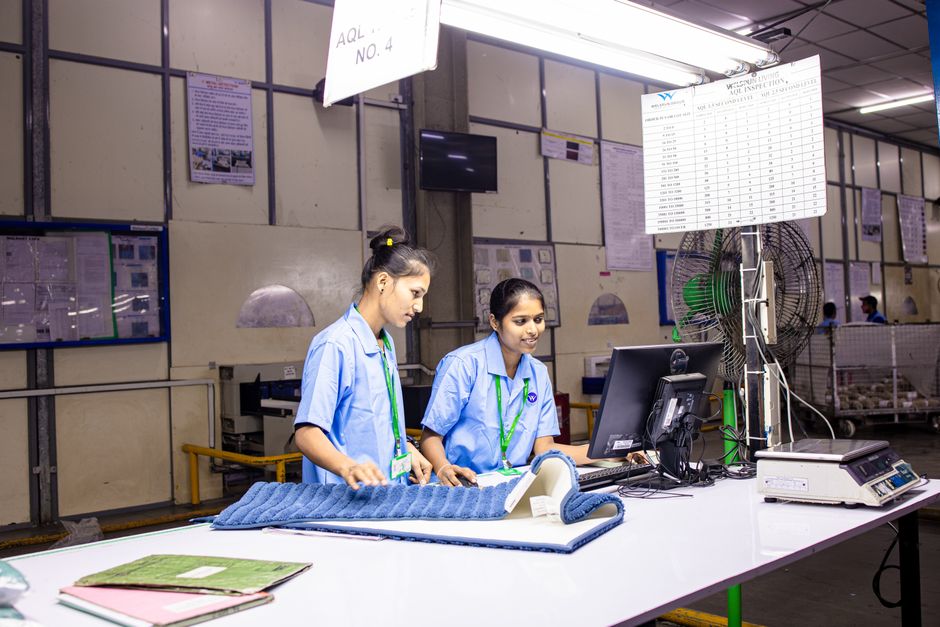
The Importance of Premium Backing and Finishing
The quality of a textile isn’t just about its face; the **backing and finishing** play a vital role in its performance and longevity.
* **Reinforced Seams and Hems:** For items like throws, blankets, and curtains, look for double-stitched seams and strong, neatly finished hems. This prevents fraying and ensures the product holds its shape and integrity through use and washing.
* **Anti-Pilling Treatments:** High-quality synthetics or blends should undergo anti-pilling treatments. This crucial finishing step prevents the formation of unsightly balls of fiber, maintaining the fabric’s smooth appearance over time.
* **Premium Backing:** For items like rugs or upholstery fabrics, the backing is critical for durability and slip resistance. High-quality natural rubber or a dense, woven backing provides stability and prevents premature wear. Consider the backing on a **velvet throw pillow**: a robust linen or cotton twill backing ensures it lies flat and withstands regular handling.
Durability Meets Elegance: Longevity in Luxury
True luxury is not fleeting; it endures. **Durability meets elegance** when superior materials are combined with expert craftsmanship. High-quality textiles resist wear and tear, maintain their color and texture after repeated washing, and resist common issues like shrinkage or stretching.
For a wholesale buyer, this translates directly into reduced customer returns and increased customer satisfaction. A set of **organic cotton percale sheets** that maintain their crispness and softness for years, or a **washable silk scarf** that retains its sheen and drape, offers exceptional long-term value. This longevity is a key selling point that justifies the premium price and builds a reputation for quality.

***
> **Ready to offer unparalleled comfort? [Contact our wholesale team today for bulk pricing](#).**
***
Strategic Sourcing: Partnering for Wholesale Success
Choosing the right suppliers is not just a transactional decision; it’s a strategic partnership that underpins your entire business operation. In the high-stakes world of luxury textiles, meticulous vetting and forward-thinking collaboration are paramount.
Vetting Manufacturers for Reliability and Ethics
The foundation of a successful wholesale business in luxury textiles rests on **vetting manufacturers for reliability and ethics**. This goes beyond simply checking references. It involves:
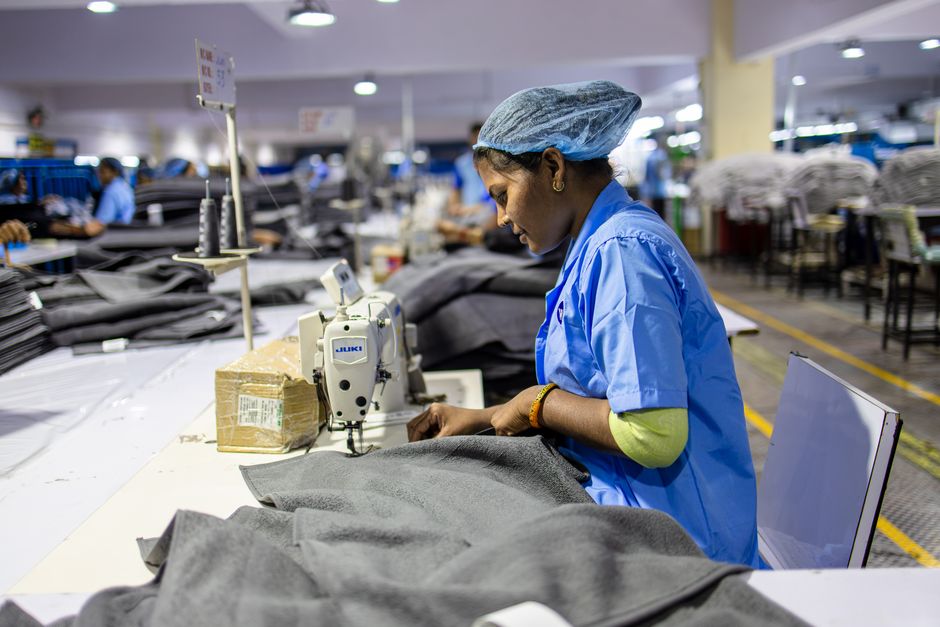
* **Factory Audits:** If possible, conduct site visits or engage third-party auditors to assess manufacturing processes, quality control measures, and working conditions.
* **Certifications:** Look for reputable certifications such as OEKO-TEX® for chemical safety, GOTS (Global Organic Textile Standard) for organic fibers, or Fair Trade certifications. These provide an objective layer of assurance.
* **Production Capacity and Lead Times:** Ensure the manufacturer has the capacity to meet your projected order volumes and adheres to realistic lead times. Inconsistent production can cripple your inventory management.
* **Communication and Responsiveness:** Gauge their responsiveness to inquiries, samples, and feedback. A collaborative partner is proactive and transparent.
For instance, when sourcing **high-density bamboo rayon bedding**, confirming the manufacturer’s adherence to closed-loop production processes (which recycle water and chemicals) and OEKO-TEX® Standard 100 certification is crucial for both quality and sustainability claims.

Leveraging Technology for Supply Chain Transparency
In today’s interconnected world, **leveraging technology for supply chain transparency** is no longer a luxury; it’s a necessity. Digital platforms and tools can provide real-time visibility into production status, shipment tracking, and inventory levels.
* **Cloud-Based Inventory Management:** Utilize systems that offer a single source of truth for inventory across all your locations and with your suppliers.
* **Traceability Solutions:** Explore technologies that allow for tracing raw materials back to their origin, providing verifiable proof of authenticity and ethical sourcing.
* **Integrated Communication Platforms:** Employ tools that streamline communication with your manufacturers, reducing misunderstandings and accelerating issue resolution.
For wholesalers dealing with intricate weaves or specialized dyeing techniques, digital platforms that allow for detailed product specifications and visual verification can prevent costly errors and ensure the final product meets exacting standards.
Customization and Private Label Opportunities
To truly differentiate your brand and capture higher margins, **customization and private label opportunities** are invaluable. Partnering with manufacturers who offer these services allows you to:
* **Develop Unique Products:** Create exclusive lines tailored to your specific market demands, incorporating proprietary designs, unique color palettes, or custom fiber blends.
* **Build Brand Equity:** Your brand name on a high-quality product reinforces customer loyalty and distinguishes you from competitors selling generic goods.
* **Control Product Development:** Work closely with manufacturers to ensure quality and consistency align perfectly with your brand’s vision.
Imagine offering a private label collection of **ultra-soft chenille throws** in exclusive seasonal colors. This not only provides a unique product offering but also strengthens your brand identity and customer connection.

Forecasting Trends and Managing Inventory
The luxury home textile market, while driven by timeless elegance, is also influenced by evolving consumer tastes. **Forecasting trends and managing inventory** effectively is key to maximizing profitability and minimizing risk.
* **Market Research:** Stay abreast of emerging interior design trends, color forecasts, and material innovations through industry publications, trade shows, and trend forecasting services.
* **Data-Driven Forecasting:** Utilize sales data and market intelligence to predict demand for specific products and SKUs.
* **Agile Inventory Management:** Implement strategies like Just-In-Time (JIT) inventory or strategic buffer stock for high-demand items to avoid overstocking while ensuring availability.
* **Supplier Collaboration:** Work with your suppliers on flexible production runs and reliable replenishment schedules.
For example, anticipating the continued rise of biophilic design might lead you to focus on natural fibers like **organic linen** and earth-toned colorways, ensuring you have adequate stock to meet anticipated demand.
***
> **Let’s build your luxury textile brand. [Schedule a partnership consultation](#).**
***
Maximizing Your Margins with High-Quality Luxury Home Textiles
Investing in premium wholesale home textiles isn’t just about offering beautiful products; it’s a strategic move designed to significantly enhance your business’s profitability and market standing. The perceived value of luxury goods allows for healthier profit margins, while their inherent quality fosters long-term business success.
The ROI of Investing in Premium Products
The initial cost of acquiring high-quality luxury home textiles might be higher, but the **return on investment (ROI)** is substantial. These products command higher retail prices, allowing your customers to achieve better markups and, consequently, enabling you to secure more profitable wholesale agreements. For example, a set of **100% Mulberry silk pillowcases**, known for their hypoallergenic properties and skin-benefiting smoothness, can be retailed at a price point significantly higher than standard cotton alternatives, providing a robust margin for both you and your retail partners. This elevated pricing power directly translates to increased revenue and profitability per unit sold.

Building Customer Loyalty Through Quality
In the competitive wholesale landscape, **building customer loyalty through quality** is a powerful differentiator. When your customers – whether they are boutique retailers, hotel procurement managers, or interior designers – consistently receive products that exceed expectations, they develop trust in your brand. This trust leads to repeat business and stronger, more enduring relationships. Products that are durable, perform exceptionally well, and consistently meet or exceed quality claims minimize customer complaints and returns, further solidifying their satisfaction. A wholesaler known for supplying consistently exquisite **hand-loomed cotton throws** or **organic wool blankets** becomes a go-to source, reducing the need for customers to explore other, less reliable options.
Differentiating Your Brand in a Competitive Market
The home textile market is crowded. To stand out, you need to offer something distinct. **Differentiating your brand in a competitive market** is achieved by specializing in products that possess undeniable quality and a compelling story. Luxury home textiles, with their emphasis on superior materials, ethical sourcing, and artisanal craftsmanship, provide an excellent platform for brand distinction. When you focus on items like **artisanal linen bedding** or **hand-finished leather coasters**, you position your brand as a purveyor of curated, high-end goods, attracting a clientele that values exclusivity and premium quality. This allows you to move away from price-based competition and compete on value and perceived prestige.
Strategies for Effective Marketing and Merchandising
To fully capitalize on the value of luxury home textiles, **effective marketing and merchandising strategies** are essential. This involves communicating the inherent value and superior qualities of your products to your wholesale clients, enabling them to do the same for their end consumers.
* **Highlight Material Provenance:** Emphasize the origin and quality of your fibers, such as the specific appellation of your **European linen** or the ethical sourcing of your **recycled cashmere**.
* **Showcase Craftsmanship:** Detail the unique production methods, whether it’s **hand-dyeing techniques**, intricate **jacquard weaving**, or **artisanal finishing**.
* **Focus on Sensory Experience:** Use descriptive language that evokes touch and comfort – “unbelievably soft,” “silky smooth,” “plush and inviting.”
* **Visual Merchandising Support:** Provide your wholesale clients with high-quality imagery, product descriptions that highlight benefits, and perhaps even sample kits that allow retailers to feel the difference.
* **Storytelling:** Weave narratives around your products – the history of the material, the skills of the artisans, or the sustainable practices involved. This adds emotional depth and justifies the premium.
By strategically marketing the tangible benefits and emotional appeal of your luxury textiles, you empower your wholesale partners to create compelling displays and sales pitches that resonate with discerning consumers, driving demand and ultimately boosting your sales.

***
> **Ready to see the difference? [Download our wholesale catalog](#).**
***
The Future-Proof Wholesale Strategy: Embracing Innovation
The home textile industry is in constant evolution, driven by consumer consciousness, technological advancements, and a growing imperative for sustainability. A **future-proof wholesale strategy** requires foresight, adaptability, and a proactive embrace of innovation.
Sustainable Materials and Production Processes
The demand for **sustainable materials and production processes** is no longer a niche concern; it’s a mainstream expectation. Wholesalers must prioritize partners who are at the forefront of eco-friendly textile production.
* **Recycled and Upcycled Fibers:** Look for suppliers utilizing recycled cotton, wool, or even innovative materials derived from ocean plastic or agricultural waste. These not only reduce environmental impact but also offer unique textural qualities.
* **Low-Impact Dyes and Finishes:** Partner with manufacturers employing water-saving dyeing techniques and non-toxic, plant-based finishes.
* **Biodegradable and Compostable Options:** As awareness grows, materials designed to naturally decompose at the end of their lifecycle will become increasingly sought after.
For example, offering a line of **organic hemp bedding** manufactured using minimal water and natural dyes positions your business as a forward-thinking, responsible supplier, aligning with the values of a growing segment of consumers.
Smart Textiles and Functional Enhancements
While the focus for many luxury textiles remains on natural comfort, the integration of **smart textiles and functional enhancements** is an emerging frontier.
* **Temperature Regulation:** Technologies that allow fabrics to adapt to body temperature, providing warmth in cooler conditions and breathability when it’s warm.
* **Antimicrobial Properties:** Fabrics treated with natural or safe antimicrobial agents can help maintain freshness and reduce the need for frequent washing, extending product life.
* **Enhanced Durability and Stain Resistance:** Innovations in fiber treatments can provide superior resistance to spills and wear without compromising the soft-touch feel.
Consider **performance-oriented outdoor cushions** made with advanced, UV-resistant, and water-repellent fibers that still maintain a luxuriously soft hand-feel, offering both functionality and premium comfort for exterior living spaces.
Digital Transformation in B2B Sourcing
The way businesses source and transact is undergoing a radical **digital transformation**. Embracing these changes is crucial for efficiency and competitiveness.
* **Online B2B Marketplaces:** Utilize specialized platforms designed for wholesale transactions, streamlining discovery, ordering, and payment processes.
* **AI-Powered Demand Forecasting:** Leverage artificial intelligence to analyze market trends, predict consumer behavior, and optimize inventory levels with greater accuracy.
* **Virtual Showrooms and 3D Sampling:** Explore digital tools that allow for product visualization and evaluation without the need for physical samples, saving time and resources.
Implementing a robust e-commerce platform for your wholesale operations, coupled with advanced data analytics, can provide a significant competitive edge.
Agility and Adaptability in a Changing Market
Ultimately, the most critical element of a future-proof strategy is **agility and adaptability**. The global market is dynamic, subject to economic shifts, evolving consumer preferences, and unforeseen disruptions.
* **Diversified Supplier Base:** Avoid over-reliance on a single supplier or region to mitigate risks associated with geopolitical instability or natural disasters.
* **Flexible Production Agreements:** Negotiate terms with manufacturers that allow for adjustments in order volumes and lead times based on market fluctuations.
* **Continuous Learning and Improvement:** Foster a company culture that encourages staying informed about industry advancements and continuously refining sourcing and operational strategies.
By remaining agile and open to innovation, you can not only navigate market challenges but also capitalize on emerging opportunities, ensuring sustained growth and leadership in the luxury home textile sector.
***
> **Let’s discuss your bespoke textile needs. [Get a custom quote for your next order](#).**
***
Frequently Asked Questions About Wholesale Soft-Touch Luxury Home Textiles
Q1: Where can I buy wholesale soft-touch luxury home textiles in bulk?
A1: To find reliable wholesale soft-touch luxury home textiles, focus on sourcing from established manufacturers and distributors specializing in premium materials like long-staple cottons, European linens, silks, and high-quality microfibers. Look for suppliers who can provide certifications for quality and sustainability (e.g., OEKO-TEX®, GOTS) and have transparent supply chains. Companies that offer private label options and customization can also be excellent partners for building your exclusive lines.
Q2: Are premium soft-touch home textiles worth the investment for wholesale buyers?
A2: Yes, premium soft-touch home textiles are generally worth the investment for wholesale buyers. While the initial cost is higher, these products command higher retail prices, leading to better profit margins for both you and your retailers. Furthermore, their superior quality, durability, and comfort foster customer loyalty, reduce returns, and enhance your brand’s reputation for offering high-value goods.
Q3: What are the key quality indicators for luxury home textiles?
A3: Key quality indicators include the type and staple length of the fibers used (e.g., long-staple Egyptian cotton, premium linen), the density and consistency of the weave, the softness and richness of the color dyes, the feel of the fabric (hand-feel), and the quality of finishing such as reinforced seams and durable backing. Products that feel substantial, drape well, and are free from imperfections signify premium quality.

Q4: How can I ensure the sustainability claims of my wholesale textile suppliers are genuine?
A4: To ensure genuine sustainability claims, look for verifiable third-party certifications like OEKO-TEX® Standard 100 (for chemical safety), GOTS (for organic fibers), or Fair Trade. Investigate the supplier’s manufacturing processes, such as water usage, chemical management, and ethical labor practices. Request documentation and, if possible, conduct factory audits or rely on trusted third-party verification services for transparency.
Q5: What trends should wholesale buyers look out for in the luxury home textile market for 2026?
A5: For 2026, anticipate continued demand for “quiet luxury” with an emphasis on natural fibers, understated elegance, and tactile comfort. Sustainability will remain a major driver, with a growing interest in recycled and upcycled materials, low-impact dyes, and biodegradable options. Expect to see innovations in functional textiles (e.g., temperature-regulating, antimicrobial) and increased adoption of digital tools for B2B sourcing and supply chain transparency.