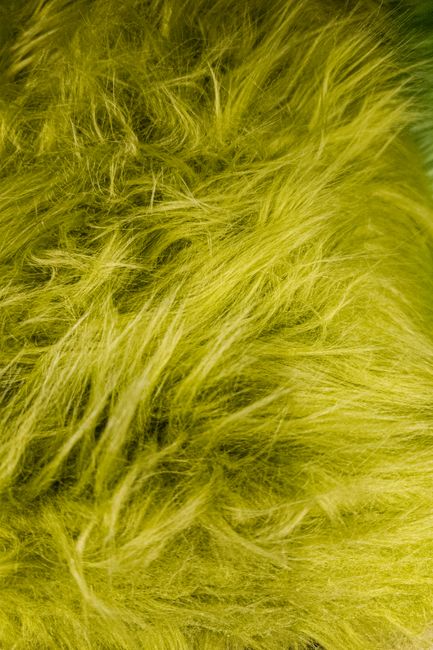
In the dynamic world of wholesale textiles, the pressure to source materials that are both ethically produced and exquisitely luxurious is higher than ever. You’re facing the challenge of meeting escalating consumer demand for sustainable products without compromising on the premium feel and aesthetic that your clients expect. How can you confidently navigate the complexities of the wholesale faux fur fabrics market to secure high-quality, eco-conscious fabrics that not only satisfy these demands but also drive profit and elevate your brand’s reputation? This comprehensive guide is your solution, offering actionable insights and a clear path to sourcing the finest faux fur fabrics for 2026 and beyond.
Thank you for reading this post, don't forget to subscribe!
The Evolving Landscape of Faux Fur: Why Sustainability is Non-Negotiable
The faux fur market is no longer a niche segment; it’s a rapidly expanding industry fueled by innovation and a fundamental shift in consumer values. For wholesalers and distributors, this presents both a significant opportunity and a critical responsibility.
Market Growth & Investment Opportunity
The global faux fur market is experiencing robust growth, with projections indicating a Compound Annual Growth Rate (CAGR) of 6.8% to 8.9% in the coming years. This upward trajectory is driven by increasing consumer awareness of animal welfare and environmental impact, leading to a surge in demand for animal-free alternatives across fashion, home décor, and beyond. This expanding market represents a significant investment opportunity for businesses willing to align their inventory with these evolving consumer preferences.
Ready to capitalize on the growing demand for premium textiles? Explore our curated wholesale catalog of high-quality fabrics today.
The Ethical Sourcing Imperative
Today’s discerning consumers and businesses are making purchasing decisions based on more than just price and aesthetics. The ethical sourcing imperative is paramount. Brands that prioritize cruelty-free and environmentally responsible materials not only resonate with a growing conscientious customer base but also mitigate risks associated with negative publicity and regulatory scrutiny. For you, as a wholesaler, stocking ethically produced faux fur isn’t just a trend; it’s a strategic move to enhance your brand reputation, build customer loyalty, and ensure long-term compliance.
Beyond Basic Synthetics: Innovation in Eco-Materials
The landscape of faux fur has moved far beyond rudimentary synthetics. Manufacturers are now at the forefront of innovation in eco-materials, developing fabrics that are not only indistinguishable from real fur in touch and appearance but are also made with sustainability at their core.
- Recycled Fibers: Many suppliers now offer luxurious faux furs crafted from recycled polyester (rPET), diverting plastic waste from landfills and oceans. This not only offers a lower environmental footprint but also creates a compelling narrative for your end-customers.
- Bio-Based Materials: Emerging technologies are leading to the development of faux furs made from renewable resources, such as plant-derived polymers. While still nascent, these materials promise even greater sustainability credentials.
- Low-Impact Dyes: The dyeing process is often a significant environmental concern. Leading manufacturers are investing in low-impact dyeing techniques and water-saving technologies to minimize their ecological footprint.
Understanding these advancements is crucial for identifying suppliers who are truly committed to sustainability, not just paying lip service. This commitment translates directly into premium products that command higher retail margins and attract a more discerning, value-driven clientele.

Identifying Premium Faux Fur: A Wholesaler’s Quality Checklist
The market is flooded with faux fur options, but not all are created equal. As a wholesale buyer, your ability to distinguish high-quality materials from inferior ones is critical. It directly impacts the perceived value, durability, and customer satisfaction of the finished products your clients create.
Assessing Pile Density & Hand-Feel
The tactile experience is paramount when it comes to faux fur. Premium faux fur is characterized by its high pile density and exceptional hand-feel.
- Density: Look for fabrics where the individual fibers are densely packed together. A denser pile means less of the backing material will show through, creating a fuller, more luxurious look. Run your hand over the fabric; it should feel rich and substantial.
- Softness & Flow: The fibers should be incredibly soft, with a natural drape and flow, mimicking the movement of genuine fur. Avoid fabrics that feel stiff, wiry, or plastic-like. The finer the denier (thickness) of the individual fibers, the softer and more realistic the fur will feel.
- Realism: The most premium faux furs are designed to replicate genuine textures with remarkable accuracy. This involves complex fiber structures and finishing processes that create subtle variations in length and thickness, producing a natural, non-uniform appearance.
Consider this: A faux fur with a noticeably lower pile density and a “plasticky” feel, even at a lower price point, will likely lead to customer dissatisfaction and returns for your clients. Conversely, a genuinely luxurious faux fur can justify a higher price point for your clients, leading to better retail margins.
Durability & Backing Materials
The longevity of a faux fur garment or product hinges significantly on the quality of its backing and overall construction. This is often overlooked but is a critical factor for wholesale buyers.
- Robust Backing: The foundation of any high-quality faux fur is its backing material. For durability, you want a backing that is strong, flexible, and doesn’t easily tear or stretch. Common high-quality backings include woven polyester or knit fabrics that offer stability without stiffness. A cheap, flimsy backing will compromise the integrity of the entire fabric, leading to seams splitting or stretching out of shape.
- Interlocking Fibers: The best faux furs have fibers that are securely woven or knitted into the backing, preventing them from easily pulling out. A well-constructed fabric will maintain its structure even under stress.
- Flexibility: While durability is key, the backing also needs to be flexible enough to drape well and be sewn without excessive puckering. This balance is crucial for garment construction and upholstery applications.
Minimizing Shedding & Maximizing Longevity
One of the most common complaints with lower-quality faux fur is shedding. This not only diminishes the aesthetic appeal but also suggests a lack of durability.
- Shedding Test: A simple but effective test is to gently run your hand over the fabric. High-quality faux fur will exhibit minimal shedding. If a significant amount of fiber comes off on your hand, it’s a red flag.
- Colorfastness: Ensure the dyes are colorfast, meaning they won’t bleed when exposed to moisture or rub off onto other fabrics. This is particularly important for lighter colors or when the fur will be in prolonged contact with other materials.
- Fiber Composition: While many faux furs are made from acrylic or modacrylic, recycled polyester is increasingly used in premium, sustainable options. Each fiber type has unique properties:
- Acrylic: Offers good color retention and a soft feel.
- Modacrylic: Often blended with acrylic to provide enhanced flame resistance and a silkier feel.
- Recycled Polyester: Provides excellent durability, wrinkle resistance, and a growing sustainable appeal.
Comparison Table: Premium Faux Fur (Grade A) vs. Standard Faux Fur (Grade B)
| Feature | Grade A (Premium) | Grade B (Standard) | Benefit to Wholesaler |
|---|---|---|---|
| Pile Density | Ultra-high, dense fibers, minimal backing visible | Moderate to low density, backing often visible | Superior drape, richer look, premium perceived value |
| Hand-Feel | Exceptionally soft, silky, natural flow | Can be rough, wiry, or stiff | Enhanced luxury appeal, higher client satisfaction |
| Shedding | Minimal to none | Noticeable shedding, fibers pull out easily | Durability, reduced customer complaints, brand integrity |
| Backing Material | Strong, flexible woven or knit polyester | Thin, easily torn, or overly stiff synthetic | Superior garment construction, longer product lifespan |
| Realism | Mimics genuine fur texture and variation | Uniform, plastic-like appearance | Attracts higher-end clients, justifies premium pricing |
| Colorfastness | Excellent; no bleeding or transfer | May bleed with moisture or transfer onto other materials | Reliability for diverse applications, fewer defects |
| Sustainability | Often incorporates recycled or eco-friendly content | Primarily virgin synthetics | Aligns with market trends, appeals to ethical consumers |

Elevate Your Inventory: Discover Our Premium Faux Fur Collection
In a market demanding both luxury and responsibility, our collection stands as a testament to what wholesale faux fur fabrics can and should be. We’ve meticulously curated a range of fabrics designed to meet the highest standards of quality, sustainability, and aesthetic appeal, empowering you to offer unparalleled value to your clients.
Unmatched Density & Genuine Realism
Experience the difference that unmatched density and genuine realism make. Our premium faux fur fabrics are engineered with an ultra-high pile density, ensuring a luxuriously plush feel that is both visually stunning and incredibly soft to the touch. The individual fibers are crafted with exceptional precision, meticulously replicating the nuanced textures and natural variations found in genuine fur. This advanced fiber technology, combined with expert finishing, results in a material that genuinely deceives the eye and the hand, offering a sophisticated and ethical alternative that clients will adore.
The Benefit for You: By stocking fabrics with this level of realism and density, you provide your clients with materials that elevate their own products, enabling them to command premium pricing and attract customers seeking the ultimate in luxury without compromise.
Want to offer your clients the best? Browse our premium product lines and see the difference quality makes.

Pioneering Sustainable Innovation
We are deeply committed to pioneering sustainable innovation in the textile industry. Our collection proudly features a significant percentage of materials made from recycled polyester (rPET), diverting post-consumer waste from landfills and transforming it into exquisite fabrics. Furthermore, we employ eco-friendly dyeing processes that minimize water usage and chemical impact, ensuring that our environmental footprint is as light as our fabrics are luxurious.
The Benefit for You: Offering ethically sourced and sustainably produced faux fur positions your business as a leader in responsible wholesale. This resonates strongly with brands and consumers who prioritize environmental consciousness, opening doors to new markets and fostering a loyal customer base that values integrity and sustainability.
Versatility for Every High-End Collection
Our faux fur collection boasts an impressive versatility for every high-end collection. We understand that your clients operate across diverse sectors, from high fashion and bridal wear to luxury home décor and bespoke costume design. To meet these varied needs, we offer an extensive range of:
- Pile Lengths: From short, sleek chops to long, flowing strands.
- Colors & Patterns: A rich palette of on-trend colors, classic hues, and unique, sophisticated patterns designed to inspire.
- Textures: Including exceptionally smooth, curly, and wavy finishes.
Each fabric is supported by a premium, durable backing that ensures superior construction and longevity, whether it’s for a tailored coat, a sumptuous throw, or an elegant upholstery project. We pride ourselves on consistency and reliability for wholesale orders, ensuring that every bolt meets the same exacting standards.
The Benefit for You: A broad and consistent range means you can be the go-to supplier for a multitude of projects. This reliability builds trust, simplifies your procurement process, and allows your clients to confidently source the perfect material for their vision, time after time.

Strategic Sourcing: Navigating the Global Faux Fur Supply Chain
Successfully integrating high-quality, sustainable faux fur into your inventory requires a strategic approach to sourcing. The global supply chain for these specialized textiles can be complex, but by understanding key factors, you can build robust and reliable partnerships.
Vetting Reputable Manufacturers & Suppliers
Your choice of manufacturer and supplier is paramount. Vetting reputable sources ensures you receive consistent quality, fair pricing, and ethical production practices.
- Due Diligence: Look for suppliers with a proven track record, positive reviews, and transparent communication. Requesting detailed product specifications and inquiring about their manufacturing processes is essential.
- Factory Audits & QC: For larger orders, consider inquiring about their internal quality control (QC) processes or if they undergo third-party factory audits. This demonstrates a commitment to upholding standards.
- Samples: Always request fabric samples before committing to bulk orders. This allows you to physically assess the pile density, hand-feel, shedding, and overall quality firsthand.
Understanding Certifications (GRS, OEKO-TEX)
In the realm of sustainable textiles, certifications provide crucial validation. For faux fur, specific certifications are particularly important for verifying ethical and environmental claims.
- Global Recycled Standard (GRS): This is a vital certification for any faux fur claiming to contain recycled content. GRS verifies the recycled material, tracks it through the supply chain, and ensures responsible social, environmental, and chemical practices in its production. For wholesale buyers, GRS certification on your faux fur directly translates into verifiable sustainability claims you can pass on to your clients.
- OEKO-TEX® Standard 100: This certification guarantees that the textile has been tested for harmful substances and is therefore safe for human health. It’s a mark of quality and safety, assuring your clients that the materials are free from hazardous chemicals.
- Other Certifications: Depending on the supplier and material origin, other certifications related to fair labor practices or specific environmental management systems may also be relevant.

Logistics, Lead Times, and MOQ for Bulk Orders
Efficiently managing your inventory relies on understanding the practicalities of logistics, lead times, and minimum order quantities (MOQs) for bulk orders.
- Lead Times: Be clear about production timelines from order placement to delivery. Factor these into your own inventory planning and client fulfillment schedules, especially for seasonal collections.
- MOQ Negotiation: Minimum Order Quantities can vary significantly. Work with suppliers to understand their standard MOQs and explore possibilities for negotiation, particularly if you are a returning customer or have a consistent order volume. Understanding MOQs helps you forecast your purchasing needs accurately.
- Shipping & Customs: Clarify shipping terms, costs, and potential customs duties, especially if sourcing internationally. Transparent communication on these aspects prevents unexpected costs and delays.
- Supply Chain Transparency: Strive for suppliers who offer transparent and ethical supply chain practices. Knowing where your materials come from and how they are produced builds confidence and strengthens your brand’s integrity.
By mastering these strategic sourcing principles, you can build a reliable supply chain that delivers premium, sustainable faux fur fabrics consistently, ensuring your business thrives in the competitive wholesale market.

Frequently Asked Questions about Wholesale Faux Fur Fabrics
Q1: Where can I buy wholesale faux fur fabrics in bulk for my business?
You can buy wholesale faux fur fabrics in bulk from specialized textile distributors and direct manufacturers. Look for suppliers that offer a wide selection of premium, sustainable options. It’s crucial to vet these suppliers for quality, ethical production practices, and reliable lead times. Companies like [Your Company Name, if applicable] offer a curated collection of high-quality faux fur fabrics for wholesale.
Q2: Are premium faux fur fabrics worth the investment for wholesale buyers?
Yes, premium faux fur fabrics are absolutely worth the investment for wholesale buyers. While they may have a higher upfront cost, their superior pile density, incredible softness, minimal shedding, and enhanced durability translate into higher perceived value for your clients. This allows them to create end products that command better retail prices and achieve greater customer satisfaction, ultimately boosting your own sales and reputation.
Q3: What makes a faux fur fabric sustainable?
Sustainable faux fur fabrics are characterized by their production methods and materials. Key factors include the use of recycled materials (like rPET), bio-based or renewable fibers, eco-friendly dyeing processes that minimize water and chemical usage, and ethical manufacturing practices. Certifications like Global Recycled Standard (GRS) and OEKO-TEX® Standard 100 provide verifiable proof of these claims.
Q4: How can I assess the quality of wholesale faux fur fabrics before placing a large order?
Before placing a large wholesale order, always request fabric samples. Thoroughly assess them for pile density (how closely packed the fibers are), hand-feel (softness and drape), shedding (gently run your hand over it), backing material strength and flexibility, and overall realism. Also, inquire about colorfastness and any sustainability certifications the supplier holds.
Q5: What is the typical minimum order quantity (MOQ) for wholesale faux fur fabrics?
Minimum Order Quantities (MOQs) for wholesale faux fur fabrics can vary significantly between suppliers. Some may have MOQs as low as a few yards, while others, particularly direct manufacturers, might require several hundred or even thousands of yards for bulk orders. It’s advisable to communicate your needs clearly and negotiate with suppliers, especially if you anticipate consistent order volumes.

