A rug display sells when a customer can see the rug in a room, touch the pile, and find the answer to their next question without asking. Lead with one hero rug, group the rest by room or colour, put swatches where hands can reach them, and keep the signage short.
Key takeaways
- Lead with one hero. One rug, one clear focal point, and space around it beats a crowded wall of stock.
- Group by how customers shop. Room stories and colour families are easier to buy from than a wall sorted by size.
- Let customers touch. A swatch board and a folded stack at hand height do more than a photograph on a ticket.
- Use light with care. Warm light flatters wool and faux fur, and direct sun fades display stock.
- Answer questions on the ticket. Material, size, care and custom options belong on the signage, not only in a catalogue.
One hero, one clear path
Every display needs a hero: one rug, shown the way it would look at home, with nothing competing for attention beside it. Put the hero where the eye lands first, at the end of the natural path into the display, and leave white space around it so the rug reads as the main event rather than one item among many. Shopify’s visual merchandising guidance makes the same point: use white space, follow the rule of three, and show rather than tell.
Keep the path to the hero clear. Do not block it with a basket or a stack of boxes, and do not put the best rug where a customer has to reach over other stock to touch it. If the shop is small, the hero can be a single rug hung or laid flat with a small sign. What matters is that one product owns the moment.
Group by how customers shop
Customers rarely walk in asking for a size; they walk in with a room in mind. Group rugs the way they will be used: a living-room story with a large rug, matching cushions and a throw; a bedroom story in softer colours; and a small entry story with a runner and a hard-wearing pile. Shopify’s guidance calls this grouping related products, and it works because it answers the customer’s real question, which is what goes with what. Put the pieces of one story together, at heights the eye can take in at once, and keep the colour family tight so the group reads as one idea.
Cross-merchandising also lifts the average basket. A customer who came for a rug and finds the matching cushion cover and throw in the same display is more likely to take all three. Keep the groups small, with three to five pieces, and refresh them when a colour or a season changes. Our retailer stocking guide sets out how sheepskin and faux fur rugs sit together in a range, and the faux fur rug buying guide covers pile, backing and sizes for the pieces in each group.
Let customers touch
Rugs are bought by hand as much as by eye, so the display has to invite touching. Put a swatch board at hand height with labelled pieces of each pile and colour, so a customer can compare textures without unfolding a whole rug. Keep one folded stack of each hero colour where hands can reach it, and keep one rug open on the floor so customers can feel the pile underfoot and see the true size. A rug that stays folded in plastic is a rug that stays unsold, while a rug that a customer has touched is a rug they have already started to own.
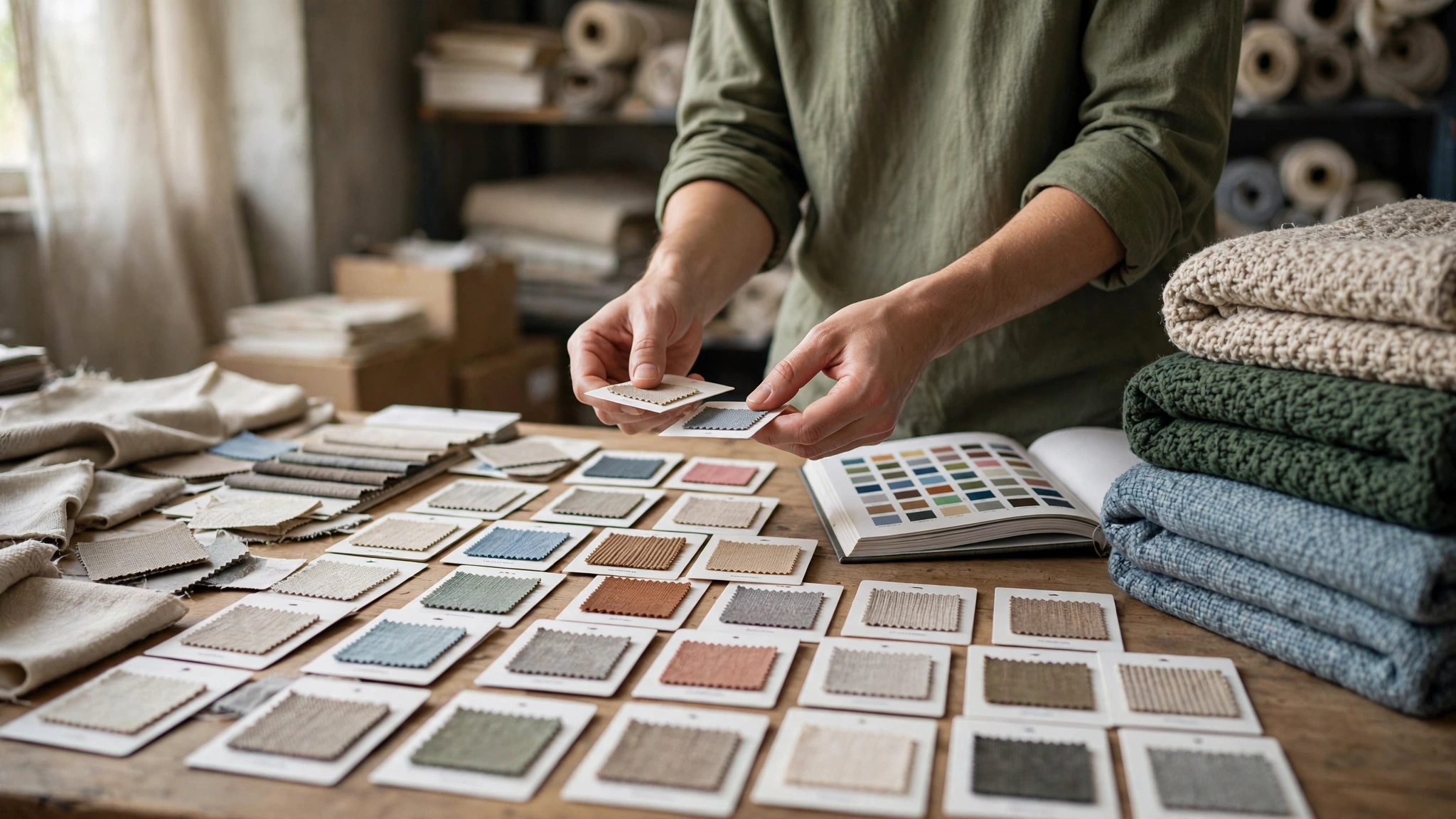
Swatches also solve the colour problem. A rug under shop lights never looks exactly like the same rug at home, so a physical swatch the customer can take to the window removes the most common reason for a return. Label each swatch with the material, the colour name and the rug it belongs to, and replace swatches when they get worn or dirty.
Light, colour and rotation
Light decides how a rug looks, and it decides how long display stock lasts. Warm light flatters the natural tones of sheepskin and the soft colours of faux fur, while cold light can make the same rug look grey and flat. Use a spotlight or an accent light on the hero rug, and keep the rest of the display evenly lit so no corner looks neglected. Shopify’s merchandising guidance lists lighting among the most powerful tools in a shop, because it shapes how customers feel as they move through the space, and a rug display is no exception.
Direct sunlight is the other side of the same decision. A rug left in a sunny window will fade, and a faded display rug shows the customer a colour the product no longer has. Keep display rugs out of direct sun and rotate the hero rug regularly. Rotation also keeps regular customers interested: a display that changes is a reason to stop and look again. When a hero rug sells, replace it the same day.
Signage that answers questions
Good signage answers the three questions every rug customer asks: what is it made of, what size is it, and how do I look after it. Put the material on the ticket in plain words, sheepskin or faux fur, and never let a ticket say leather for a faux leather product. Give the finished size, the pile or finish, and one line of care guidance, and add a line saying custom sizes and private-label orders are available, so a trade customer knows to ask. Keep the ticket short enough to read at a glance, and use the same words on the ticket, the listing and the care card.
Price is yours to set, but the signage rule still applies: the ticket should make the product easy to understand, not harder. A ticket that hides the material or the size creates questions your staff have to answer one by one. Check the tickets whenever the display changes, and remove any ticket that belongs to a rug that has sold.
Backroom and replenishment
A display is only as good as the stock behind it. Keep folded stock for each displayed rug in the backroom, in the same colour order as the display, so replenishment takes minutes. Check the shade of each new delivery against the display piece before it goes out, because dye lots can vary. Keep the bestsellers deepest, and reorder before the hero sells out, so the display never has an empty space.
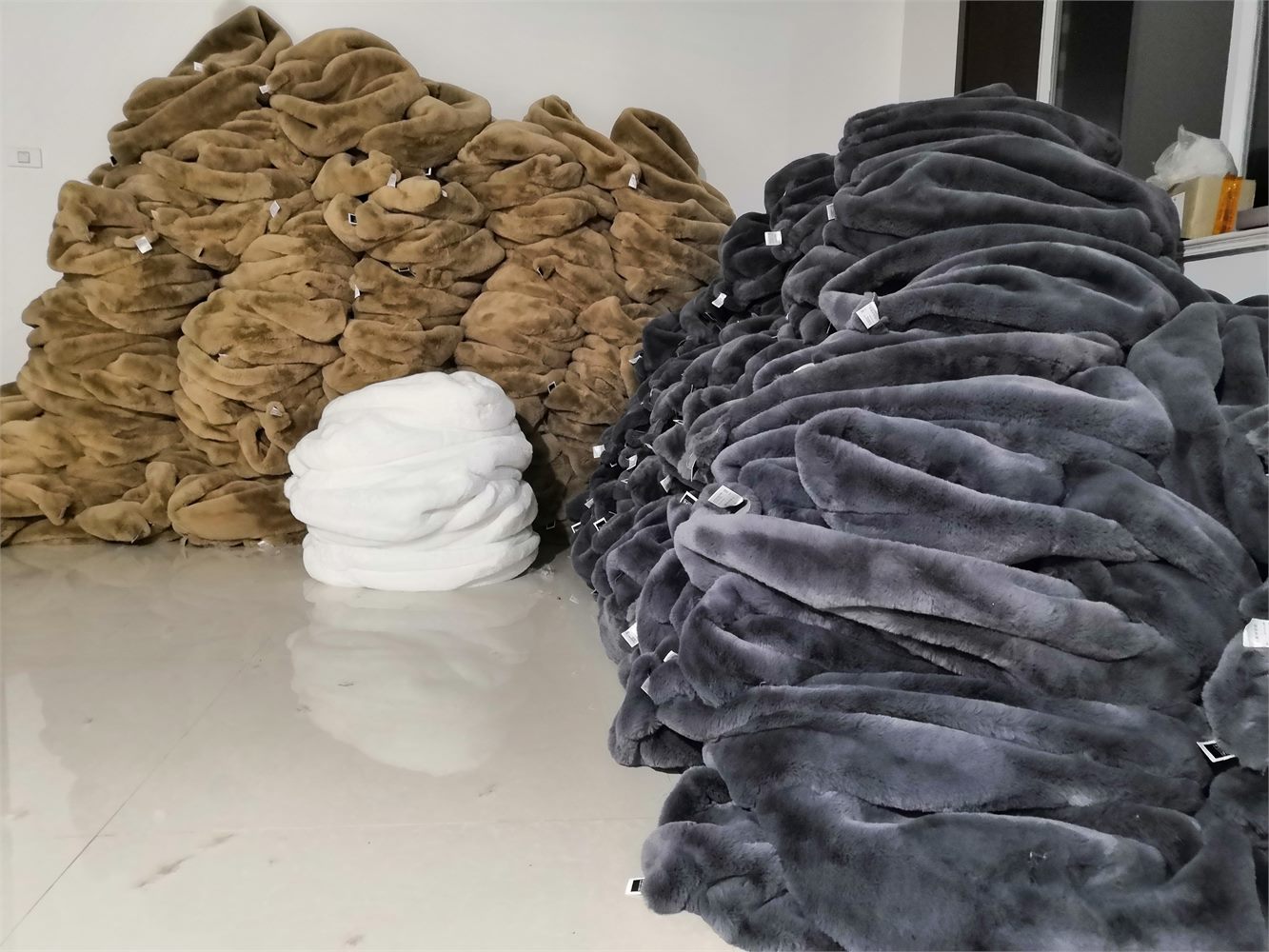
Ordering follows our standard wholesale terms: a minimum order of 100 pieces (300 pieces for faux fur rugs), samples paid by the buyer, a custom logo sample in about 7 days, and bulk production in about 30 days from the deposit. See our samples, minimum order and wholesale process pages, and browse the sheepskin rugs and faux fur rugs ranges when planning the next display. Custom sizes are available through our custom sheepskin rug and custom faux fur rug pages.
FAQ
How many rugs should one display hold?
Fewer than you think. One hero rug and one small group of three to five matching pieces reads better than a crowded wall, and it leaves room for customers to touch the stock.
Should rugs be shown on the floor or on the wall?
On the floor where possible, because that is how the customer will use them, and it lets them feel the pile underfoot. A wall or a rail works for a hero piece in a small shop, as long as the customer can still reach the swatches.
How often should a rug display be rotated?
Rotate the hero rug whenever it sells, and refresh the groups when a colour or a season changes. A display that changes gives regular customers a reason to stop.
What about sunlight on the display?
Keep display rugs out of direct sunlight, which can fade dyed wool and faux fur over time. Use warm artificial light on the hero rug instead, and rotate the display stock so no one piece sits in the brightest spot for long.
RFQ checklist: hero rug and colour story for the display; swatch board pieces for each pile and colour; signage wording for material, size and care; folded backroom stock in display colour order; quantity split across colours and sizes within the applicable minimum (100 pieces for sheepskin, 300 pieces for faux fur).; paid sample approval; custom size and logo requirements; bulk lead time of about 30 days from the deposit.
Sources
Shop the products in this guide: Ivory Genuine Sheepskin Rug — Single Pelt, Gray Genuine Sheepskin Rug — Single Pelt and White Faux Fur Rug.